
Equipment For Every Jobsite Challenge: From Earthmoving To Material Handling

Equipment For Every Jobsite Challenge: From Earthmoving To Material Handling
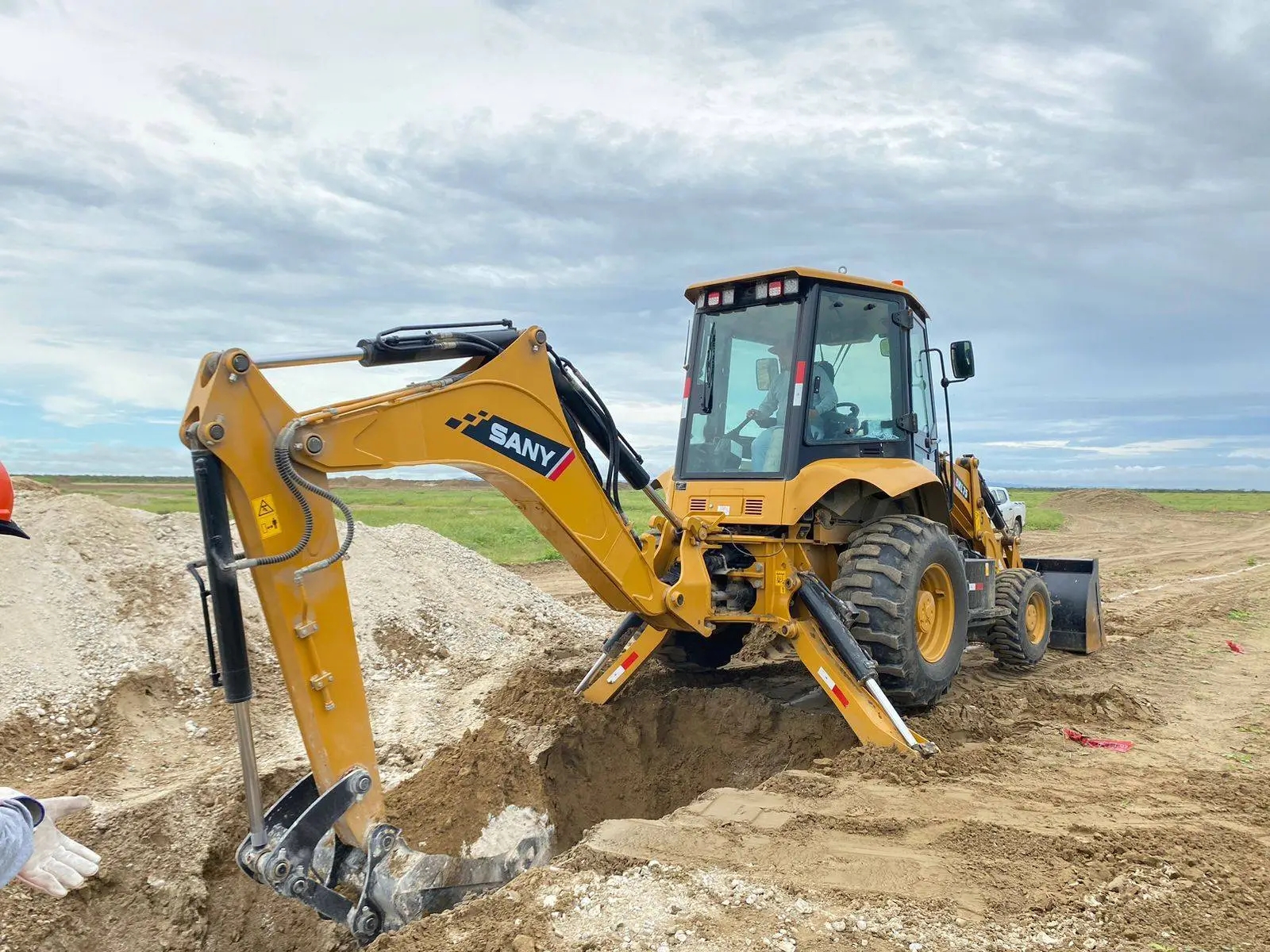
Numerous tasks involved in construction projects require specialized equipment, knowledgeable operators, and meticulous planning. Equipment is crucial to sustaining productivity and fulfilling project deadlines, from clearing land for development to moving bulky products across crowded construction sites. The selection of equipment is a crucial component of effective project management, as each stage of construction poses unique obstacles. In order to manage high workloads while preserving operational efficiency and safety, modern construction companies rely on adaptable equipment. Contractors may find appropriate gear for various uses by working with a reputable construction equipment dealer, guaranteeing that projects have the equipment required to go forward without hiccups. Strong Project Foundations Using Earthmoving Equipment Because it prepares the ground for foundations, roadways, drainage systems, and other structural projects, earthmoving is one of the most crucial phases of construction. Equipment that can move dirt, clear barriers, and provide solid working surfaces is necessary for proper site preparation. Excavators are often employed for large-scale earth handling, trench excavation, and foundation preparation. They may be used in a variety of construction tasks because of their hydraulic systems and replaceable attachments. Another crucial kind of earthmoving machinery is the bulldozer. These strong machines are useful for clearing land and preparing surfaces because they move dirt, rocks, and debris across building sites. By gathering loose materials and conveying them over comparatively short distances, wheel loaders can assist earthmoving activities. By using the right equipment, contractors may save needless manual effort and finish preparatory tasks more quickly. Equipment For Material Handling For Effective Workplace Operations Maintaining orderly workflows requires the safe and effective movement of building materials. It is sometimes necessary to move materials between storage areas and active work zones, including concrete blocks, steel components, lumber, pipes, and aggregates. Palletized products are often lifted and transported with forklifts, especially in supply yards, warehouses, and appropriate construction settings. For outdoor spaces with uneven floors, rough terrain forklifts provide further possibilities. By combining lifting power with a longer reach, telehandlers provide more adaptability. These devices are helpful for reaching places that are difficult for traditional forklifts to reach and for placing things at high altitudes. Contractors may choose equipment suitable for certain material handling activities by evaluating lifting capacity, operational requirements, and available attachments with the help of a trustworthy construction equipment dealer. Small-Sized Tools For Limited Construction Areas Not all building projects are carried out on large, open sites. Restricted working spaces are a common feature of urban developments, residential building, landscaping projects, and rehabilitation operations. For digging and excavation activities where bigger machines cannot function comfortably, compact excavators are very helpful. Because of their reduced size, operators have more freedom to operate around subterranean utilities and existing buildings. Another useful choice for cramped spaces is a skid steer loader. These devices may facilitate surface preparation, debris removal, grading, and material transportation with the right attachments. Compact track loaders are useful for tasks where traditional wheeled gear could have trouble because they provide more grip on soft or uneven terrain. Contractors may maintain output without needlessly disturbing the neighboring regions by using small equipment. Adaptability Of Equipment With Specialized Attachments Because of its replaceable attachments, modern construction equipment provides a great deal of adaptability. Contractors may increase the usefulness of current equipment instead of buying different devices for each task. Grapples for material handling, hydraulic breakers for demolition, and specific buckets for various excavation needs may all be installed in excavators. Pallet forks, augers, trenchers, and grading attachments may also be used with skid steer loaders. Compatible attachments may lower equipment needs, provide operational flexibility, and assist companies in better managing their machinery investments. Before using an attachment, contractors should always check its compatibility, operating restrictions, and manufacturer guidelines. Upkeep And Equipment Assistance For Reliable Productivity For even the most sophisticated construction equipment to function dependably, regular maintenance is necessary. Equipment components are progressively impacted by abrasive materials, dust, heavy workloads, and changing weather. Hydraulic systems, motors, tires, tracks, and lubrication points are all routinely inspected to help spot any issues before they disrupt operations. Conclusion Having the right equipment for each stage of growth is essential for construction projects to be successful. Compact machinery offers flexibility in confined locations, earthmoving machines provide solid foundations, and material handling equipment facilitates effective transportation. Contractors may increase production while lowering operating costs by choosing dependable equipment, using appropriate attachments, and giving preventative maintenance first priority. In the end, careful equipment purchases enable construction companies to manage a variety of worksite difficulties and complete projects with increased productivity, safety, and assurance. WilliamWilliam Turner is a researcher and content writer at TheMahabhulekh.com, specializing in Maharashtra land records, Mahabhulekh 7/12, property cards, and government service guides. He creates clear, user-friendly content to help readers understand and access land-related information online. www.themahabhulekh.com
Improving Digging Performance With Purpose-Built Excavator Buckets

Improving Digging Performance With Purpose-Built Excavator Buckets

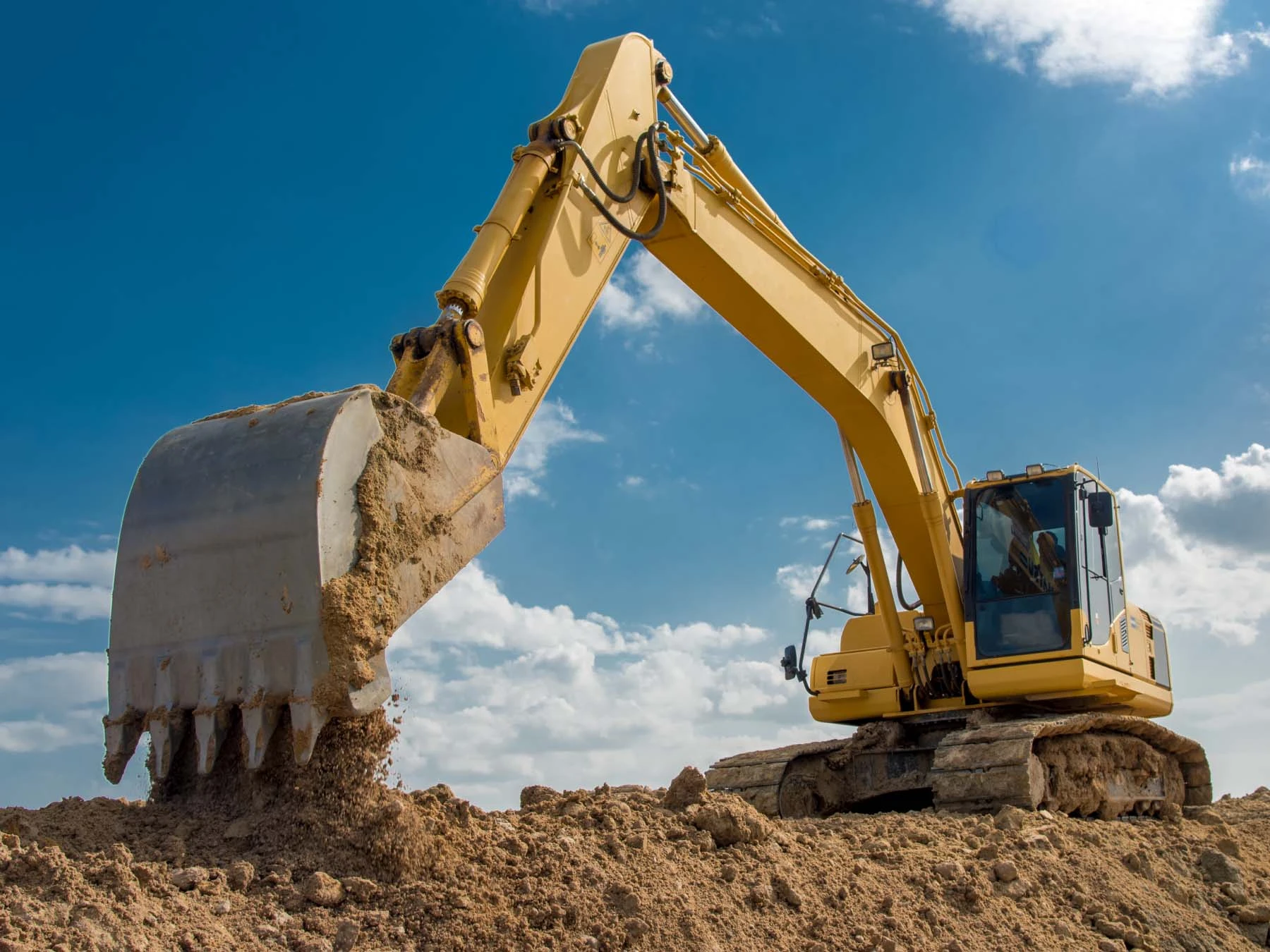
Excavators are expected to perform efficiently across a wide variety of working environments. They may be used to break into compact soil, remove loose material, prepare trenches, clear sites, or handle material during landscaping and construction projects. While the excavator itself provides the power, the attachment at the end of the machine has a major influence on how effectively that power is used. Purpose-built excavator buckets allow operators to match the attachment to the material and task rather than relying on one general bucket for every situation. Choosing an appropriate bucket can improve digging performance, material control, accuracy, and overall workflow. Matching The Bucket To The Material Ground conditions can vary considerably from one project to another. Loose soil behaves differently from clay, gravel, sand, or mixed construction material. A bucket that performs effectively in soft ground may struggle when working with denser material. Selecting a bucket according to the material being handled helps the excavator work more effectively. General purpose buckets are suitable for many routine digging applications, while other bucket configurations are designed for tasks such as cleaning, grading, sorting, or working with loose materials. The goal is to allow the bucket to enter, collect, retain, and release material efficiently. When these actions happen smoothly, operators can maintain a consistent working rhythm instead of repeatedly repositioning the machine or attempting to fill an unsuitable bucket. Improving Bucket Penetration Good digging performance begins when the bucket enters the ground. Bucket geometry, cutting edges, teeth, and overall design can influence penetration. A bucket designed for excavation concentrates the machine’s digging force where it is needed. This can make it easier to cut through soil and collect material during each pass. Effective penetration becomes particularly valuable when working in compacted ground where unnecessary resistance can slow progress. Operators should also monitor wear around the bucket teeth and cutting areas. Worn components may reduce digging effectiveness and make the machine work harder to achieve the same result. Selecting The Right Bucket Capacity A larger bucket may appear to offer greater productivity because it can theoretically move more material in each cycle. However, capacity should always be considered alongside excavator size, material density, and working conditions. An oversized bucket filled with heavy material can place unnecessary demands on the machine. Conversely, a bucket that is too small may require additional digging cycles. Purpose-built bucket selection aims to create an appropriate balance. The excavator should be able to fill, lift, maneuver, and empty the bucket comfortably while maintaining stability and control. This balance can contribute to smoother operation throughout the working day. Using Specialised Buckets For Specific Tasks Not every excavator task involves conventional digging. Construction and earthmoving projects often require grading, cleaning, separating materials, or shaping surfaces. Mud buckets, for example, provide a wider profile that can be useful for handling loose material and cleaning areas. Tilting buckets can provide additional flexibility when shaping slopes, finishing surfaces, or working at different angles. Sieve-style buckets can help separate finer material from larger pieces during sorting applications. Using specialised excavator buckets can reduce the need to force a standard digging bucket into jobs it was not designed to perform. The operator gains an attachment better suited to the movement and material involved. Creating More Controlled Excavation Productivity is not simply about moving the greatest amount of soil as quickly as possible. Accuracy matters as well, particularly during trenching, landscaping, drainage preparation, and finishing work. An appropriately sized and shaped bucket gives operators better control over the amount of material removed during each pass. This can reduce unnecessary excavation and make it easier to achieve the intended depth or profile. Better control can also reduce the amount of finishing work required afterwards. Instead of removing excessive material and replacing it later, operators can work closer to the required dimensions from the beginning. Reducing Unnecessary Machine Effort An excavator performs most efficiently when its components work together rather than against unnecessary resistance. Using an unsuitable bucket can result in incomplete fills, difficult penetration, excessive repositioning, and repeated passes. The correct attachment allows hydraulic power and digging force to be used more effectively. Smooth bucket filling and controlled material release can help operators maintain productive cycles without unnecessary movements. Bucket condition is equally important. Regular inspections can identify worn teeth, damaged cutting edges, cracks, loose components, and other issues before they begin affecting performance. Building A More Versatile Excavator Setup One of the major advantages of excavators is their ability to perform different tasks by changing attachments. Maintaining access to several bucket types allows a machine to transition between digging, cleaning, grading, and material handling duties as project requirements change. Instead of viewing the bucket as a basic accessory, contractors can treat it as an important part of the machine’s working configuration. Bucket width, capacity, profile, construction, and intended application should all be considered before work begins. Purpose-built excavator buckets ultimately help turn machine power into useful digging performance. When the bucket matches the excavator, ground conditions, and intended task, operators can work with greater control and consistency. Careful attachment selection can make excavation smoother, improve material handling, and help the machine perform effectively across demanding earthmoving projects. WilliamWilliam Turner is a researcher and content writer at TheMahabhulekh.com, specializing in Maharashtra land records, Mahabhulekh 7/12, property cards, and government service guides. He creates clear, user-friendly content to help readers understand and access land-related information online. www.themahabhulekh.com

Essential Equipment Considerations For Construction Companies In Winchester

Construction Companies

Construction work in Winchester can range from residential site preparation and utility installation to commercial development, roadwork, and large-scale earthmoving. Regardless of project size, equipment choices have a direct effect on productivity, operating costs, site safety, and scheduling. Contractors therefore need to think beyond simply finding a machine capable of performing a particular task. Working with an experienced Volvo equipment dealer in Winchester can make this process easier by giving contractors access to machinery, parts, service, and practical equipment guidance. Before committing to a purchase or rental, however, construction companies should evaluate several factors that can influence both immediate performance and long-term value. Match Equipment To The Actual Job One of the most important considerations is matching the machine to the work rather than automatically choosing the largest or most powerful option available. Excavators, wheel loaders, articulated haulers, compactors, and track loaders are designed for different applications and working conditions. For example, an excavation project involving confined areas may benefit from equipment that provides maneuverability and precise control. A larger earthmoving operation may place greater emphasis on capacity, power, and efficient material handling. Contractors should consider digging depth, lifting requirements, material type, terrain, available working space, and expected daily operating hours. Selecting equipment around these practical requirements can help prevent unnecessary fuel consumption and underused machine capacity. Consider Winchester Job Site Conditions Local working conditions should also influence equipment selection. Winchester and the surrounding Shenandoah Valley have a mixture of urban development, rural properties, commercial sites, and varying terrain. A machine that performs well on a spacious development site may not necessarily be appropriate for a smaller property with limited access. Ground conditions are equally important. Traction, stability, tire or track configuration, and ground clearance can affect machine performance. Contractors should evaluate the site before selecting equipment, particularly when projects involve slopes, soft surfaces, uneven ground, or restricted entry points. Decide Between Buying And Renting Not every construction company needs to own every machine it uses. Purchasing may make sense for equipment that is regularly required across multiple projects. Ownership gives a company greater control over availability and can provide long-term value when machinery is consistently utilized. Rental can be more practical for specialized equipment required only occasionally. It may also allow contractors to expand their capabilities for a particular project without making a substantial long-term investment. The decision should be based on expected utilization, project duration, storage availability, maintenance responsibilities, transportation expenses, and overall budget. Companies should look at the total financial impact rather than comparing only the initial purchase price with the rental rate. Look Beyond The Machine Itself Heavy equipment depends on ongoing support throughout its working life. Parts availability, maintenance resources, technical knowledge, and repair services can become particularly important when a machine experiences unexpected downtime. Construction schedules are often tightly coordinated. If one essential machine is unavailable, other workers and equipment may be left waiting. This can create delays that extend far beyond the original mechanical problem. For this reason, contractors should consider the support available from their equipment supplier. A dependable relationship with a local dealer can be valuable when replacement parts, maintenance assistance, or equipment advice is required quickly. Evaluate Used Equipment Carefully Used construction equipment can provide significant value, especially for businesses looking to expand their fleets while controlling capital expenditure. Age alone, however, does not determine whether a machine represents a good investment. Operating hours, maintenance history, previous applications, component condition, and signs of excessive wear should all be considered. Engines, hydraulic systems, undercarriages, tires, attachments, controls, and structural components deserve careful inspection. A lower purchase price may become less attractive if the equipment immediately requires substantial repairs. Evaluating overall condition and anticipated maintenance costs gives contractors a more realistic picture of long-term ownership expenses. Think About Operator Requirements Equipment performance also depends on the person operating it. Controls, visibility, cab layout, accessibility, and machine responsiveness can influence both productivity and operator comfort. Construction companies should consider whether their crews are familiar with a particular machine type and whether additional training may be necessary. Equipment that is appropriately matched to operator capabilities can support smoother workflows and more consistent performance. Comfort deserves consideration as well, particularly when operators spend many hours inside a machine. Seating, climate control, visibility, and ergonomic controls can make a noticeable difference during long shifts. Plan For Maintenance Before Problems Occur Preventive maintenance should be part of the equipment decision from the beginning. Contractors need to understand recommended service intervals, routine inspection requirements, replacement parts availability, and the likely cost of maintaining a machine. Daily checks can identify developing issues before they turn into expensive failures. Fluids, filters, tires, tracks, hydraulic components, and attachments should receive attention according to manufacturer recommendations and working conditions. Good maintenance planning can extend equipment life while reducing unexpected downtime. Building A More Productive Equipment Strategy Choosing construction equipment is ultimately a business decision as much as an operational one. The right machine should meet project requirements while supporting productivity, manageable operating costs, reliability, and efficient use of company resources. For construction companies working in Winchester, considering site conditions, utilization rates, dealer support, maintenance needs, operator requirements, and purchase versus rental options can lead to more informed decisions. Instead of treating equipment as a simple project expense, contractors can view it as an important part of their broader productivity strategy. WilliamWilliam Turner is a researcher and content writer at TheMahabhulekh.com, specializing in Maharashtra land records, Mahabhulekh 7/12, property cards, and government service guides. He creates clear, user-friendly content to help readers understand and access land-related information online. www.themahabhulekh.com