
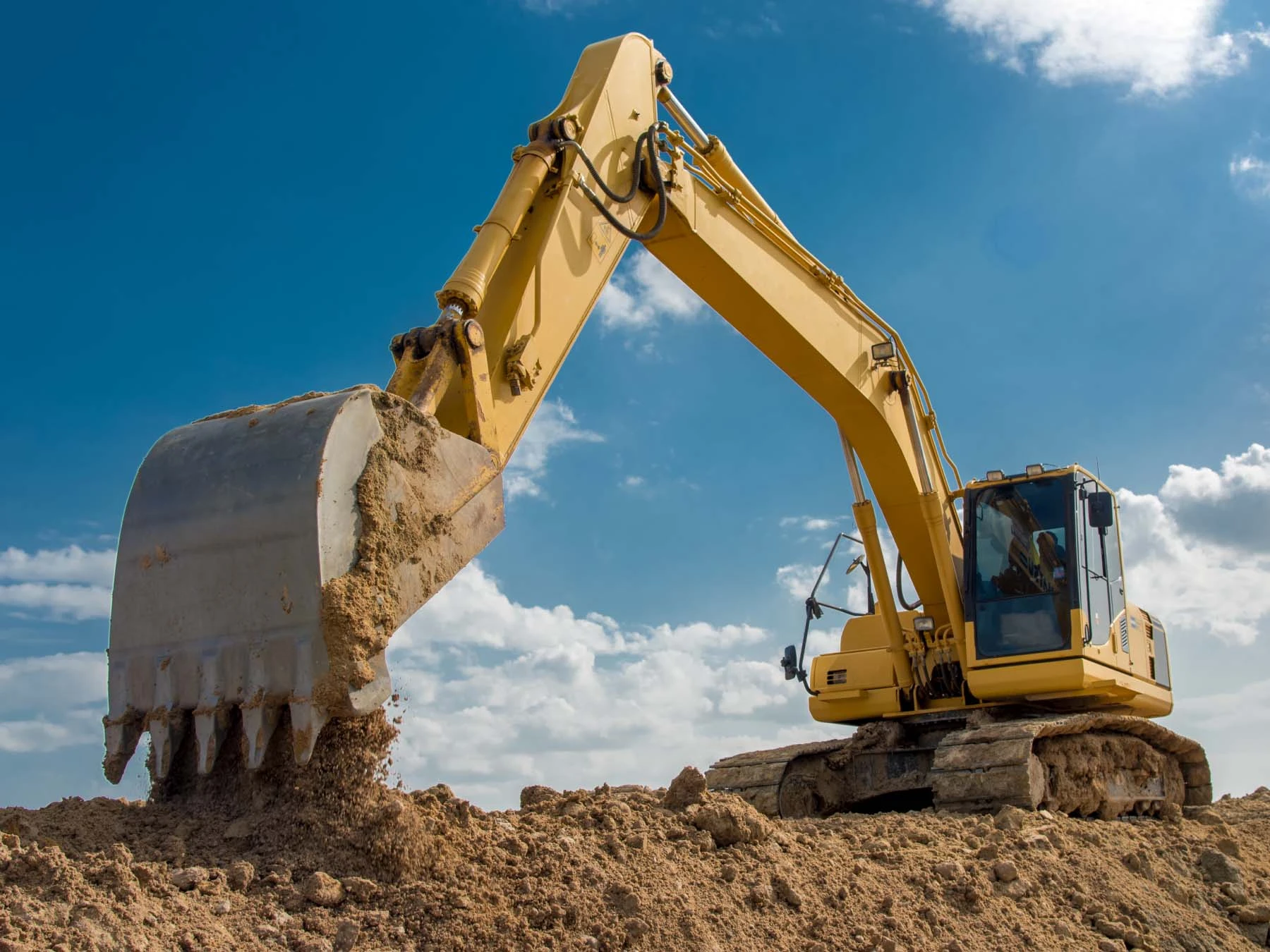
Excavators are expected to perform efficiently across a wide variety of working environments. They may be used to break into compact soil, remove loose material, prepare trenches, clear sites, or handle material during landscaping and construction projects. While the excavator itself provides the power, the attachment at the end of the machine has a major influence on how effectively that power is used.
Purpose-built excavator buckets allow operators to match the attachment to the material and task rather than relying on one general bucket for every situation. Choosing an appropriate bucket can improve digging performance, material control, accuracy, and overall workflow.
Matching The Bucket To The Material
Ground conditions can vary considerably from one project to another. Loose soil behaves differently from clay, gravel, sand, or mixed construction material. A bucket that performs effectively in soft ground may struggle when working with denser material.
Selecting a bucket according to the material being handled helps the excavator work more effectively. General purpose buckets are suitable for many routine digging applications, while other bucket configurations are designed for tasks such as cleaning, grading, sorting, or working with loose materials.
The goal is to allow the bucket to enter, collect, retain, and release material efficiently. When these actions happen smoothly, operators can maintain a consistent working rhythm instead of repeatedly repositioning the machine or attempting to fill an unsuitable bucket.
Improving Bucket Penetration
Good digging performance begins when the bucket enters the ground. Bucket geometry, cutting edges, teeth, and overall design can influence penetration.
A bucket designed for excavation concentrates the machine’s digging force where it is needed. This can make it easier to cut through soil and collect material during each pass. Effective penetration becomes particularly valuable when working in compacted ground where unnecessary resistance can slow progress.
Operators should also monitor wear around the bucket teeth and cutting areas. Worn components may reduce digging effectiveness and make the machine work harder to achieve the same result.
Selecting The Right Bucket Capacity
A larger bucket may appear to offer greater productivity because it can theoretically move more material in each cycle. However, capacity should always be considered alongside excavator size, material density, and working conditions.
An oversized bucket filled with heavy material can place unnecessary demands on the machine. Conversely, a bucket that is too small may require additional digging cycles.
Purpose-built bucket selection aims to create an appropriate balance. The excavator should be able to fill, lift, maneuver, and empty the bucket comfortably while maintaining stability and control. This balance can contribute to smoother operation throughout the working day.
Using Specialised Buckets For Specific Tasks
Not every excavator task involves conventional digging. Construction and earthmoving projects often require grading, cleaning, separating materials, or shaping surfaces.
Mud buckets, for example, provide a wider profile that can be useful for handling loose material and cleaning areas. Tilting buckets can provide additional flexibility when shaping slopes, finishing surfaces, or working at different angles. Sieve-style buckets can help separate finer material from larger pieces during sorting applications.
Using specialised excavator buckets can reduce the need to force a standard digging bucket into jobs it was not designed to perform. The operator gains an attachment better suited to the movement and material involved.
Creating More Controlled Excavation
Productivity is not simply about moving the greatest amount of soil as quickly as possible. Accuracy matters as well, particularly during trenching, landscaping, drainage preparation, and finishing work.
An appropriately sized and shaped bucket gives operators better control over the amount of material removed during each pass. This can reduce unnecessary excavation and make it easier to achieve the intended depth or profile.
Better control can also reduce the amount of finishing work required afterwards. Instead of removing excessive material and replacing it later, operators can work closer to the required dimensions from the beginning.
Reducing Unnecessary Machine Effort
An excavator performs most efficiently when its components work together rather than against unnecessary resistance. Using an unsuitable bucket can result in incomplete fills, difficult penetration, excessive repositioning, and repeated passes.
The correct attachment allows hydraulic power and digging force to be used more effectively. Smooth bucket filling and controlled material release can help operators maintain productive cycles without unnecessary movements.
Bucket condition is equally important. Regular inspections can identify worn teeth, damaged cutting edges, cracks, loose components, and other issues before they begin affecting performance.
Building A More Versatile Excavator Setup
One of the major advantages of excavators is their ability to perform different tasks by changing attachments. Maintaining access to several bucket types allows a machine to transition between digging, cleaning, grading, and material handling duties as project requirements change.
Instead of viewing the bucket as a basic accessory, contractors can treat it as an important part of the machine’s working configuration. Bucket width, capacity, profile, construction, and intended application should all be considered before work begins.
Purpose-built excavator buckets ultimately help turn machine power into useful digging performance. When the bucket matches the excavator, ground conditions, and intended task, operators can work with greater control and consistency. Careful attachment selection can make excavation smoother, improve material handling, and help the machine perform effectively across demanding earthmoving projects.

William Turner is a researcher and content writer at TheMahabhulekh.com, specializing in Maharashtra land records, Mahabhulekh 7/12, property cards, and government service guides. He creates clear, user-friendly content to help readers understand and access land-related information online.