What Happens To Property, Savings, And Assets During The Probate Process?

What Happens To Property, Savings, And Assets During The Probate Process?

Dealing with a loved one’s financial matters may exacerbate the emotionally taxing experience of losing a loved one. Property, assets, investments, and other belongings of a deceased person must be managed in accordance with their will or any relevant inheritance rules. Probate is the popular name for this judicial procedure. Families may handle financial obligations, prevent needless uncertainty, and guarantee that assets are dispersed appropriately by being aware of how probate works. Every asset in the estate, whether it consists of a family house, bank accounts, or priceless items, has to be carefully considered at every stage. Recognising Probate’s Objective The legal procedure known as probate gives an executor the power to manage a dead person’s estate. When someone leaves a valid will, and their assets cannot be transferred or released in any other way, a grant of probate is often needed in England and Wales. An eligible individual may need to file for letters of administration if the deceased did not leave a valid will. The estate administrator is in charge of identifying assets, paying off debts, handling inheritance tax requirements, and allocating the remainder of the estate to recipients. Before starting the procedure, families that are not aware of these obligations could benefit from a Solicitor free consultation to learn about the legal requirements. What Takes Place With Property While On Probate? One of an estate’s most valuable assets is often its property. However, ownership agreements, the deceased’s will, and any unpaid mortgage payments determine how it is handled. A property that belonged to the deceased alone is usually included in their inheritance. Before selling or transferring it, the executor or administrator may need to get the necessary grant. Joint tenant properties often transfer automatically to the remaining owner. However, since the deceased’s portion becomes part of their estate, assets held as tenants in common are handled differently. The estate agent must take into account any relevant taxes, insurance, maintenance costs, and existing obligations before allocating property. How Do Savings And Bank Accounts Get Managed? Another crucial aspect of estate management is bank accounts and savings. A bank would often limit access to accounts maintained exclusively in the name of the deceased. To ascertain account balances and determine if probate paperwork is necessary, the executor must get in touch with financial institutions. Depending on their internal regulations, some banks could disburse lower funds without a grant. The surviving account holder may still have access to joint accounts, which are often handled differently. Before any leftover assets are disbursed, the money gathered from individual accounts becomes accessible to pay for acceptable estate expenditures. How Do Investments And Other Valuable Assets Turn Out? Shares, bonds, business interests, automobiles, jewellery, and personal items may all be included in an estate. To determine the estate’s overall financial situation, these assets must be located and evaluated. Executors may need expert appraisals of real estate, priceless collections, or intricate investments. When determining inheritance tax obligations, accurate appraisals are especially crucial. Certain assets may be handed directly to beneficiaries in accordance with the will, while others may be sold to pay off obligations. Families should also verify if jointly held assets, life insurance policies, or pensions are included in the estate since how they are treated depends on the applicable agreements. What Effects Do Family Shifts Have On Inheritance? Inheritance arrangements may be impacted by marriage, separation, and divorce. For instance, although separation by itself does not always eliminate a spouse’s inherited rights, divorce may have an impact on clauses in an existing will. To learn how marital assets, property ownership, and current estate planning arrangements could be impacted, those going through relationship changes can think about getting a Free divorce consultation. After significant family upheavals, reviewing financial agreements and wills might help minimise future conflicts. Paying Off Debts Prior To Asset Distribution In most cases, beneficiaries cannot get their inheritance until the estate’s debts have been settled. Mortgages, loans, household payments, tax obligations, and other valid debts must all be identified by executors. Usually, estate assets—rather than the executor’s own money—are used to satisfy these responsibilities. Certain insolvency procedures apply if the estate’s assets are insufficient to pay its obligations. Premature asset distribution might lead to legal issues, thus executors should refrain from doing so. Families may benefit from Probate solicitors free advice to better understand their duties and decide if professional assistance is required. Conclusion Distributing belongings is only one aspect of the probate procedure. Before an estate may be finalised, property ownership, savings, assets, existing debts, and inheritance agreements must all be taken into account. While some estates are rather simple, others include complex ownership arrangements, monetary commitments, or disputes among beneficiaries. Executors may appropriately handle their responsibilities while safeguarding the interests of all parties involved by being aware of each step and obtaining the necessary legal advice.
Equipment For Every Jobsite Challenge: From Earthmoving To Material Handling

Equipment For Every Jobsite Challenge: From Earthmoving To Material Handling

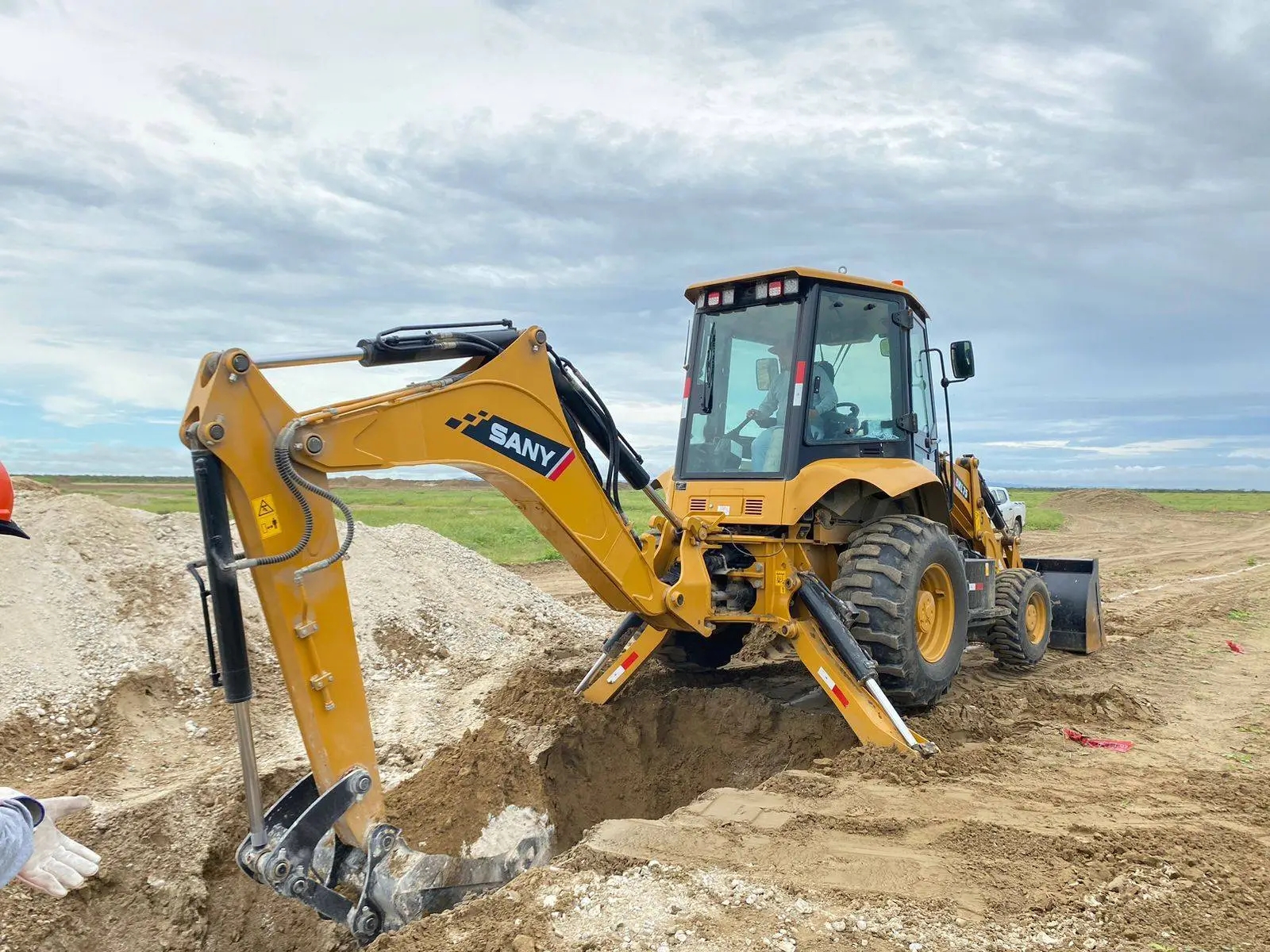
Numerous tasks involved in construction projects require specialized equipment, knowledgeable operators, and meticulous planning. Equipment is crucial to sustaining productivity and fulfilling project deadlines, from clearing land for development to moving bulky products across crowded construction sites. The selection of equipment is a crucial component of effective project management, as each stage of construction poses unique obstacles. In order to manage high workloads while preserving operational efficiency and safety, modern construction companies rely on adaptable equipment. Contractors may find appropriate gear for various uses by working with a reputable construction equipment dealer, guaranteeing that projects have the equipment required to go forward without hiccups. Strong Project Foundations Using Earthmoving Equipment Because it prepares the ground for foundations, roadways, drainage systems, and other structural projects, earthmoving is one of the most crucial phases of construction. Equipment that can move dirt, clear barriers, and provide solid working surfaces is necessary for proper site preparation. Excavators are often employed for large-scale earth handling, trench excavation, and foundation preparation. They may be used in a variety of construction tasks because of their hydraulic systems and replaceable attachments. Another crucial kind of earthmoving machinery is the bulldozer. These strong machines are useful for clearing land and preparing surfaces because they move dirt, rocks, and debris across building sites. By gathering loose materials and conveying them over comparatively short distances, wheel loaders can assist earthmoving activities. By using the right equipment, contractors may save needless manual effort and finish preparatory tasks more quickly. Equipment For Material Handling For Effective Workplace Operations Maintaining orderly workflows requires the safe and effective movement of building materials. It is sometimes necessary to move materials between storage areas and active work zones, including concrete blocks, steel components, lumber, pipes, and aggregates. Palletized products are often lifted and transported with forklifts, especially in supply yards, warehouses, and appropriate construction settings. For outdoor spaces with uneven floors, rough terrain forklifts provide further possibilities. By combining lifting power with a longer reach, telehandlers provide more adaptability. These devices are helpful for reaching places that are difficult for traditional forklifts to reach and for placing things at high altitudes. Contractors may choose equipment suitable for certain material handling activities by evaluating lifting capacity, operational requirements, and available attachments with the help of a trustworthy construction equipment dealer. Small-Sized Tools For Limited Construction Areas Not all building projects are carried out on large, open sites. Restricted working spaces are a common feature of urban developments, residential building, landscaping projects, and rehabilitation operations. For digging and excavation activities where bigger machines cannot function comfortably, compact excavators are very helpful. Because of their reduced size, operators have more freedom to operate around subterranean utilities and existing buildings. Another useful choice for cramped spaces is a skid steer loader. These devices may facilitate surface preparation, debris removal, grading, and material transportation with the right attachments. Compact track loaders are useful for tasks where traditional wheeled gear could have trouble because they provide more grip on soft or uneven terrain. Contractors may maintain output without needlessly disturbing the neighboring regions by using small equipment. Adaptability Of Equipment With Specialized Attachments Because of its replaceable attachments, modern construction equipment provides a great deal of adaptability. Contractors may increase the usefulness of current equipment instead of buying different devices for each task. Grapples for material handling, hydraulic breakers for demolition, and specific buckets for various excavation needs may all be installed in excavators. Pallet forks, augers, trenchers, and grading attachments may also be used with skid steer loaders. Compatible attachments may lower equipment needs, provide operational flexibility, and assist companies in better managing their machinery investments. Before using an attachment, contractors should always check its compatibility, operating restrictions, and manufacturer guidelines. Upkeep And Equipment Assistance For Reliable Productivity For even the most sophisticated construction equipment to function dependably, regular maintenance is necessary. Equipment components are progressively impacted by abrasive materials, dust, heavy workloads, and changing weather. Hydraulic systems, motors, tires, tracks, and lubrication points are all routinely inspected to help spot any issues before they disrupt operations. Conclusion Having the right equipment for each stage of growth is essential for construction projects to be successful. Compact machinery offers flexibility in confined locations, earthmoving machines provide solid foundations, and material handling equipment facilitates effective transportation. Contractors may increase production while lowering operating costs by choosing dependable equipment, using appropriate attachments, and giving preventative maintenance first priority. In the end, careful equipment purchases enable construction companies to manage a variety of worksite difficulties and complete projects with increased productivity, safety, and assurance.

Industrial Wall Fan Solutions For Factories, Warehouses, And Workshops

Industrial Wall Fan Solutions For Factories, Warehouses, And Workshops

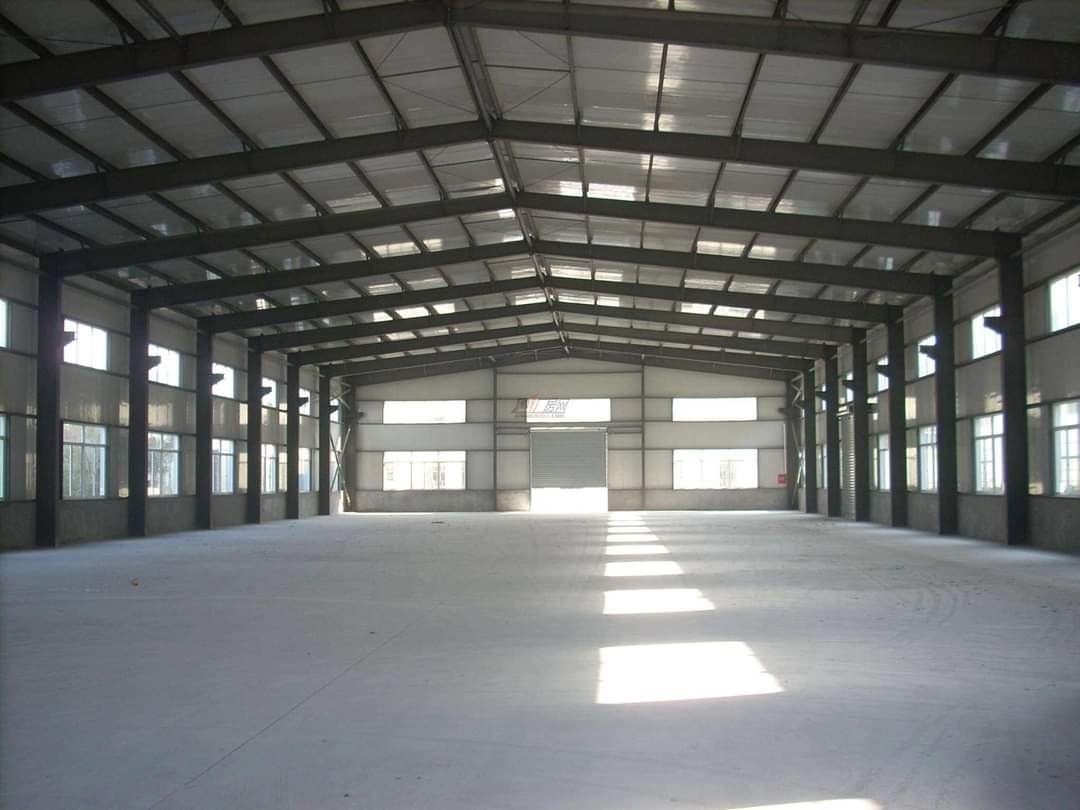
Managing factories, warehouses, and workshops requires maintaining efficient airflow. Heat accumulation and stagnant air may result from the presence of machinery, equipment, stored products, and active work areas in these settings. Indoor conditions may rapidly become unpleasant and difficult to control without adequate ventilation. Enhancing airflow without taking up precious floor space is possible with wall-mounted ventilation. An industrial wall fan may fit neatly into a facility’s general architecture and provide constant ventilation in demanding work settings. Handling Heat In Industrial Workplaces During regular operations, factories and workshops may produce a significant amount of heat. Rising interior temperatures may be caused by machinery, manufacturing equipment, lights, and continuous activity. This heat may stay trapped for a long time in structures with little natural ventilation. Warm air may be moved, and circulation improved throughout the room with the aid of wall fans. They may also be used to facilitate the removal of hot interior air and promote the flow of cooler air throughout the structure, depending on the ventilation system. This may be especially helpful in regions where heat tends to build up, such as loading areas, equipment zones, and industrial areas. Utilising Warehouse Space More Effectively Because of their size and design, warehouses present a unique ventilation challenge. Consistent air circulation may be challenging in spaces with high ceilings, plenty of storage, stored merchandise, and open spaces. Because they don’t need permanent floor space, wall-mounted fans are helpful. This enables warehouse managers to keep spaces free for pallet transportation, forklifts, storage, and other routine tasks. Strategic fan placement may provide more even circulation and lessen areas of stagnant air. The ventilation system may be designed around the geometry of the building and its operating needs rather than focusing airflow in a narrow area. Facilitating Busy Workshop Settings People, equipment, tools, and supplies are often gathered in very small spaces in workshops. Depending on the job being done, tasks including fabrication, repair, assembly, and equipment maintenance may produce heat, fumes, odours, or airborne particles. To move air through these dynamic areas, a well-chosen industrial wall fan may be a component of a larger ventilation plan. However, broad air circulation shouldn’t be used in place of proper local exhaust ventilation or other necessary safety measures for industries that produce pollutants. In workshops, positioning is particularly crucial. Fans should provide beneficial airflow without interfering with procedures that need regulated conditions or causing needless disturbance near workstations. Selecting An Environmentally Friendly Fan Instead of just picking the biggest fan available, ventilation equipment should be chosen based on actual operating circumstances since industrial buildings vary greatly. The size of the area, the amount of airflow needed, the mounting location, the openings that are accessible, the hours of operation, and the kinds of activities that are happening close by should all be taken into account by facility management. The kind of equipment needed may also be impacted by the presence of dust, moisture, caustic materials, or high temperatures. Another crucial factor is the quality of the construction. Industrial equipment may be subjected to harsher circumstances and operate for longer periods of time than equipment found in typical commercial facilities. Selecting equipment made for the specified use may facilitate reliable operation and make long-term ventilation planning easier. Including Fans In A More Comprehensive Ventilation Plan When a wall fan is integrated into the building’s overall airflow system, it works well. Balanced ventilation is not always achieved by just mounting a fan in a wall-mounted location. The way air moves through a facility may be affected by doors, windows, internal walls, shelves, equipment, fresh air entrance points, exhaust sites, and building orientation. Short cycling, in which incoming air is withdrawn before flowing through the regions that need ventilation, may be prevented with careful planning. Relying on a single source of airflow may not be as beneficial for bigger buildings as using several ventilation sources. Useful Ventilation For Tough Environments Workshops, factories, and warehouses need ventilation systems that complement their daily activities and physical layouts. In locations where heat and stagnant air may become recurring issues, wall-mounted systems have the benefit of maintaining usable floor space while promoting circulation. A more efficiently ventilated industrial workplace may be achieved by selecting the appropriate industrial wall fan, properly placing it, and including it in a larger ventilation strategy. Businesses may maintain useful airflow without unduly complicating precious working space by matching the system to the building and its operations.

Small Roofing Issues That Can Become Expensive Problems For Denver Businesses

Small Roofing Issues That Can Become Expensive Problems For Denver Businesses

A commercial roof is expected to protect a building through changing weather, daily temperature fluctuations, and years of exposure to the elements. Yet major roofing problems rarely appear without warning. In many cases, the first signs are small enough to overlook, such as a minor leak, a loose flashing section, or a damaged seal around rooftop equipment. For Denver businesses, ignoring these seemingly minor concerns can be particularly costly. Snow, hail, strong sunlight, wind, and changing temperatures can place additional stress on commercial roofing systems. Addressing small defects early can help businesses protect their buildings while avoiding more extensive repairs later. Minor Leaks Can Spread Beyond The Roof A small roof leak may appear manageable, especially if only a few drops of water enter during heavy rain or melting snow. However, water does not necessarily remain near the point where it entered the roofing system. It can travel along insulation, structural components, and other materials before becoming visible inside the building. Over time, persistent moisture may damage ceiling materials, insulation, walls, inventory, and electrical components. It can also interrupt normal business activities if affected areas need to be closed for repairs. Arranging Denver roofing repair when the first signs of leakage appear can help identify the actual source before moisture affects a larger portion of the property. Early attention is generally much simpler than dealing with roof damage alongside extensive interior restoration. Damaged Flashing Can Create Vulnerable Areas Flashing protects some of the most sensitive areas of a commercial roof. It is commonly installed around vents, edges, penetrations, and places where different roofing surfaces meet. When flashing becomes loose, cracked, bent, or separated, water can find its way underneath the roofing system. A small opening may not initially cause obvious interior damage, but repeated exposure to rain and snow can gradually make the problem worse. Regular inspections can help identify flashing issues while they are still relatively contained. Loose Fasteners Can Affect Metal Roof Performance Commercial metal roofs are valued for their durability, but they still require periodic attention. Fasteners can loosen over time as metal roofing materials expand and contract with temperature changes. A single loose fastener may not seem significant. However, multiple compromised fasteners can create opportunities for water penetration and may affect the stability of panels in exposed areas. Denver’s seasonal temperature variations make it important to monitor these components. Correcting loose or deteriorated fasteners early can support the long-term performance of a metal roofing system. Small Drainage Problems Can Lead To Standing Water Commercial roofs depend on gutters, drains, and other drainage components to move water away efficiently. Leaves, dirt, debris, ice, and other materials can interfere with this process. When drainage becomes restricted, water may collect on sections of the roof. Standing water adds unnecessary weight and can accelerate deterioration of roofing materials. If water repeatedly settles in the same area, existing cracks or weak seams may become more vulnerable. Routine cleaning and inspection of drainage components can prevent a simple maintenance issue from becoming a larger roofing concern. Cracked Seams And Sealants Should Not Be Overlooked Sealants are often used around penetrations, joints, flashing, and rooftop equipment. Over time, these materials may shrink, break, or lose adhesion due to exposure to sunlight and temperature changes. The resulting gaps may initially be extremely small. Unfortunately, even a narrow opening can allow moisture to enter during storms or snowmelt. Replacing deteriorated sealant is generally a relatively straightforward maintenance task when caught early. Waiting until water has penetrated deeper into the roofing assembly can make repairs considerably more complicated. Hail Damage Is Not Always Immediately Visible Denver businesses can experience severe weather that includes hail. While large damage may be obvious, smaller impacts can create dents, punctures, damaged coatings, or weakened roofing materials that are difficult to notice from ground level. The roof may continue functioning normally immediately after a storm, giving property owners the impression that no damage occurred. Problems can then emerge months later as damaged areas face additional weather exposure. A professional inspection after significant hail or wind events can reveal concerns that might otherwise remain unnoticed. Neglected Roof Problems Can Affect More Than Repair Costs Roof damage can have consequences beyond the roofing system itself. Water intrusion may affect equipment, stored products, flooring, interior finishes, and working areas. Businesses may also face operational disruptions while larger repairs are completed. Preventive maintenance provides an opportunity to identify problems before they reach that stage. Keeping records of inspections, repairs, and recurring trouble spots can also help facility managers understand the condition of the roof and plan future maintenance more effectively. Early Attention Can Protect A Commercial Property Small roofing defects are easy to postpone when a building remains operational, and there is no obvious interior damage. However, commercial roofing problems rarely improve on their own. Weather exposure can gradually turn loose flashing, blocked drainage, deteriorated sealant, or minor leaks into more serious concerns. For Denver businesses, regular inspections and timely repairs can help preserve roof performance, protect interior spaces, and reduce the likelihood of unexpected expenses. Treating small roofing issues as maintenance priorities rather than waiting for an emergency can ultimately make commercial property management more predictable and cost-effective.

Improving Digging Performance With Purpose-Built Excavator Buckets

Improving Digging Performance With Purpose-Built Excavator Buckets

Excavators are expected to perform efficiently across a wide variety of working environments. They may be used to break into compact soil, remove loose material, prepare trenches, clear sites, or handle material during landscaping and construction projects. While the excavator itself provides the power, the attachment at the end of the machine has a major influence on how effectively that power is used. Purpose-built excavator buckets allow operators to match the attachment to the material and task rather than relying on one general bucket for every situation. Choosing an appropriate bucket can improve digging performance, material control, accuracy, and overall workflow. Matching The Bucket To The Material Ground conditions can vary considerably from one project to another. Loose soil behaves differently from clay, gravel, sand, or mixed construction material. A bucket that performs effectively in soft ground may struggle when working with denser material. Selecting a bucket according to the material being handled helps the excavator work more effectively. General purpose buckets are suitable for many routine digging applications, while other bucket configurations are designed for tasks such as cleaning, grading, sorting, or working with loose materials. The goal is to allow the bucket to enter, collect, retain, and release material efficiently. When these actions happen smoothly, operators can maintain a consistent working rhythm instead of repeatedly repositioning the machine or attempting to fill an unsuitable bucket. Improving Bucket Penetration Good digging performance begins when the bucket enters the ground. Bucket geometry, cutting edges, teeth, and overall design can influence penetration. A bucket designed for excavation concentrates the machine’s digging force where it is needed. This can make it easier to cut through soil and collect material during each pass. Effective penetration becomes particularly valuable when working in compacted ground where unnecessary resistance can slow progress. Operators should also monitor wear around the bucket teeth and cutting areas. Worn components may reduce digging effectiveness and make the machine work harder to achieve the same result. Selecting The Right Bucket Capacity A larger bucket may appear to offer greater productivity because it can theoretically move more material in each cycle. However, capacity should always be considered alongside excavator size, material density, and working conditions. An oversized bucket filled with heavy material can place unnecessary demands on the machine. Conversely, a bucket that is too small may require additional digging cycles. Purpose-built bucket selection aims to create an appropriate balance. The excavator should be able to fill, lift, maneuver, and empty the bucket comfortably while maintaining stability and control. This balance can contribute to smoother operation throughout the working day. Using Specialised Buckets For Specific Tasks Not every excavator task involves conventional digging. Construction and earthmoving projects often require grading, cleaning, separating materials, or shaping surfaces. Mud buckets, for example, provide a wider profile that can be useful for handling loose material and cleaning areas. Tilting buckets can provide additional flexibility when shaping slopes, finishing surfaces, or working at different angles. Sieve-style buckets can help separate finer material from larger pieces during sorting applications. Using specialised excavator buckets can reduce the need to force a standard digging bucket into jobs it was not designed to perform. The operator gains an attachment better suited to the movement and material involved. Creating More Controlled Excavation Productivity is not simply about moving the greatest amount of soil as quickly as possible. Accuracy matters as well, particularly during trenching, landscaping, drainage preparation, and finishing work. An appropriately sized and shaped bucket gives operators better control over the amount of material removed during each pass. This can reduce unnecessary excavation and make it easier to achieve the intended depth or profile. Better control can also reduce the amount of finishing work required afterwards. Instead of removing excessive material and replacing it later, operators can work closer to the required dimensions from the beginning. Reducing Unnecessary Machine Effort An excavator performs most efficiently when its components work together rather than against unnecessary resistance. Using an unsuitable bucket can result in incomplete fills, difficult penetration, excessive repositioning, and repeated passes. The correct attachment allows hydraulic power and digging force to be used more effectively. Smooth bucket filling and controlled material release can help operators maintain productive cycles without unnecessary movements. Bucket condition is equally important. Regular inspections can identify worn teeth, damaged cutting edges, cracks, loose components, and other issues before they begin affecting performance. Building A More Versatile Excavator Setup One of the major advantages of excavators is their ability to perform different tasks by changing attachments. Maintaining access to several bucket types allows a machine to transition between digging, cleaning, grading, and material handling duties as project requirements change. Instead of viewing the bucket as a basic accessory, contractors can treat it as an important part of the machine’s working configuration. Bucket width, capacity, profile, construction, and intended application should all be considered before work begins. Purpose-built excavator buckets ultimately help turn machine power into useful digging performance. When the bucket matches the excavator, ground conditions, and intended task, operators can work with greater control and consistency. Careful attachment selection can make excavation smoother, improve material handling, and help the machine perform effectively across demanding earthmoving projects.

Calculating Current And Future Losses In A Motorcycle Accident Claim

Motorcycle Accident Claim

A motorcycle accident can create financial consequences that continue long after the damaged bike has been repaired or replaced. Medical bills may arrive immediately, but rehabilitation expenses, reduced earning ability, ongoing treatment, and other losses can continue for months or years. For this reason, calculating the value of a motorcycle accident claim requires looking beyond the expenses that are visible immediately after the collision. An injured motorcyclist can assess both current damages and reasonably projected future expenses by working with an attorney for motorcycle accident claims. A careful assessment is particularly important when injuries affect a person’s ability to work, require continuing medical care, or cause lasting changes to everyday life. Starting With Current Medical Expenses One of the biggest parts of a motorcycle accident claim is frequently medical costs. Because riders have less physical protection than occupants of enclosed vehicles, collisions can result in fractures, spinal injuries, head trauma, road rash, and other serious injuries. Current medical losses may include emergency transportation, hospital treatment, diagnostic testing, surgery, medication, physical therapy, specialist appointments, and medical equipment. Keeping invoices, receipts, treatment records, and insurance statements organized can make it easier to establish these costs. Even smaller expenses should be documented. Individually, prescription costs or transportation expenses for medical appointments may seem limited, but repeated expenses can become significant during a lengthy recovery. Estimating Future Medical Care A settlement based only on bills already received may fail to reflect the true financial impact of a serious injury. Some accident-related conditions require treatment long after the initial recovery period. Future medical expenses could involve additional surgeries, rehabilitation, pain management, mobility equipment, medication, counseling, or periodic specialist care. In cases involving permanent disabilities, home modifications or personal assistance may also become necessary. Estimating these expenses generally requires an understanding of the expected course of recovery. Medical professionals may provide information about anticipated treatments, possible complications, and long-term care needs. These projections can then be considered when determining the potential future financial burden of the injuries. Calculating Lost Income A rider who cannot work while recovering may experience an immediate reduction in income. Lost wages can often be calculated using employment records, pay statements, tax documents, and information about the amount of work missed. The calculation can become more complicated for freelancers, business owners, commission-based employees, or people whose income changes throughout the year. Previous tax returns, contracts, invoices, and business records may help demonstrate typical earnings before the accident. Lost income can also include missed overtime, bonuses, commissions, or other employment benefits when sufficient evidence shows that these earnings were reasonably expected. Considering Reduced Future Earning Capacity Returning to work does not necessarily mean that an accident has stopped affecting someone’s income. A serious injury may prevent a rider from performing the same duties, working the same number of hours, or continuing in the same profession. The gap between what an individual could have reasonably earned prior to the accident and what they are likely to earn following it is known as reduced earning capacity. Factors such as age, occupation, education, career history, physical limitations, and expected working years can influence this calculation. In significant injury cases, financial or vocational specialists may be used to evaluate how permanent limitations could affect future employment opportunities and lifetime earnings. Accounting For Property And Related Financial Losses The motorcycle itself represents another potential financial loss. Depending on the severity of the damage, compensation may involve repair expenses or the value of a motorcycle that has been declared a total loss. Damaged riding equipment should not be overlooked. Helmets, jackets, boots, gloves, communication devices, and personal belongings may need replacement after a collision. There can also be practical expenses connected with the accident, including towing, storage, rental transportation, and travel associated with treatment. Keeping track of these expenses can make the overall financial impact more apparent. Evaluating Nonfinancial Losses Not every consequence of a motorcycle accident appears on a receipt. Physical discomfort, psychological suffering, difficulty sleeping, loss of independence, and restrictions on activities that were once a part of daily life can all result from serious injuries. These effects are commonly considered separately from direct economic losses. Their value depends heavily on the circumstances of the individual case, including the seriousness of the injuries, duration of recovery, permanent limitations, and effect on normal activities. Detailed medical records and consistent documentation of the recovery process can help demonstrate how injuries have affected daily life. Avoiding An Incomplete Calculation One of the risks of resolving a claim too early is overlooking expenses that have not yet occurred. A settlement that appears sufficient during the first few weeks of recovery may look very different if another surgery becomes necessary or an injury prevents someone from returning to their previous occupation. Before a claim is resolved, it is therefore important to understand the expected long-term effects of the injuries rather than relying solely on current bills. Looking At The Complete Financial Picture Calculating a motorcycle accident claim involves connecting immediate expenses with the financial consequences that may develop in the future. Medical costs, lost income, reduced earning capacity, property damage, continuing care, and nonfinancial effects can all contribute to the overall value of a claim. Thorough documentation and realistic projections are essential. By considering both current and future losses, an injured rider can develop a more complete assessment of how the accident has affected their finances, career, health, and everyday life.

Features Of Websites That Contemporary Consumers Have Come To Expect

Features Of Websites That Contemporary Consumers Have Come To Expect

From the days when having an online presence was sufficient to impress customers, websites have undergone significant change. These days, people use websites on a daily basis to research services, compare products, make reservations, get quotes, or get in touch with businesses. Expectations have naturally increased as a result of these frequent encounters. Even though they may not be familiar with the technology underlying a website, users are quick to identify any inconveniences. As a result, companies must look beyond appearances and offer features that facilitate quicker, easier, and more intuitive interactions. Quick Access To Crucial Data Consumers typically have a purpose when they visit a website. They may want to look up contact information, read policies, find business hours, comprehend a service, or check prices. Visitors become unnecessarily frustrated when they have to search through multiple pages for basic information. Important information should be positioned where users would most likely find it. Visitors can easily reach their destination with the aid of well-organized content, clear menus, descriptive page names, and easily accessible contact information. Easy Ways To Act Customers in the modern era value being able to finish easy tasks straight from a website. This could involve asking for an estimate, making an appointment, verifying availability, sending an inquiry, or signing up for a service, depending on the company. There are fewer steps between interest and action thanks to these features. Additionally, forms should only ask for the information that is required. Someone who just wants to make a preliminary inquiry may be deterred by a lengthy form that requests too much information. Instead of adding features just because they are available, a company can identify which interactive features actually enhance the customer journey by working with an experienced web development company. Practical Website Search An efficient search feature has grown in importance for websites with a large number of goods, services, articles, or resources. Instead of navigating multiple categories, customers might prefer to type exactly what they need. When search features identify pertinent terms and offer suitable recommendations, they become even more beneficial. By enabling users to refine vast options based on criteria like category, price, size, location, or availability, filters can enhance the experience even more. Accessibility For Various Users People with varying browsing needs and abilities should be able to access a modern website. Readable text, adequate visual contrast, meaningful image descriptions, keyboard-friendly navigation, clearly labeled forms, and logical content organization are all important accessibility factors. Accessibility is more than just an extra feature. Careful development can make services and information accessible to more people while improving everyone’s experience. Uniformity Among Various Devices Throughout the purchasing process, customers frequently switch between devices. Before making a choice, a person may use a smartphone to find a company during lunch, a laptop to do additional research, and a tablet to review the findings. Throughout these exchanges, the website ought to stay recognizable. Regardless of screen size, menus, buttons, forms, images, and crucial information should all work as intended. Responsive layouts let users avoid constant zooming, sideways scrolling, and struggling to tap small buttons. Positive Comments During Conversations Digital experiences can feel much more reliable with a few small confirmations. The website should make it obvious what happened when users fill out a form, add items to a cart, register, or perform any other action. For instance, visitors are reassured that their information was successfully submitted when they receive a confirmation message following an inquiry. Similarly, rather than just stating that something went wrong, clear error messages should specify what needs to be fixed. Simple Security And Privacy Information Consumers are becoming more aware of what happens to their personal data when they shop online. Websites that gather payment details, account credentials, contact information, or other data should be transparent about their security and privacy policies. Without overpowering visitors with technical jargon, trust signals should be simple to recognize. Clients should be aware of the purpose of the request and how it will be utilized. An Effortless Website When they function properly, many of the best features on websites are nearly undetectable. Consumers don’t need to think about the website itself in order to find information, finish tasks, and navigate between pages. Therefore, modern development focuses more on anticipating what visitors need at every stage than it does on packing a website with impressive features. Businesses can create an online experience that feels naturally aligned with the expectations of today’s customers by placing a high priority on convenience, accessibility, consistency, and clear communication.

Shopping For Meat With Confidence: Cuts, Quality, And Preparation

Shopping For Meat With Confidence: Cuts, Quality, And Preparation

Purchasing meat may seem simple until you are in front of a counter with a variety of cuts, sizes, textures, and ways to prepare it. Making the correct decision involves much more than just picking your favorite beef, pig, or poultry. Meal planning, freshness, fat content, portion sizes, and cooking techniques may all affect what goes in your shopping cart. Gaining knowledge of these specifics may facilitate meat buying and assist home chefs in selecting items that complement both regular meals and special events. Start With The Meal You Plan To Prepare Choosing the method of cooking the meat before selecting a piece is one of the easiest ways to purchase with confidence. Heat, moisture, and cooking time all affect various cuts in different ways. In general, rapid cooking techniques like grilling, pan searing, or broiling work well with tender portions. Slower preparation techniques may help cuts with more connective tissue by allowing them to soften. For bigger portions meant to feed more people, roasting is an additional option. Customers are prevented from selecting meat only on the basis of looks by considering preparation beforehand. A cut that is visually appealing at the counter may not be the ideal choice for the recipe. Learn What Quality Looks Like Rather than focusing on a single universal indication, quality evaluation encompasses several qualities. Information on appearance, texture, packaging, and storage conditions may all be helpful. Because the little fat streaks scattered throughout the muscle may enhance flavor and softness while cooking, visible marbling may be preferred for certain beef cuts. Customers may place a higher value on leanness or a certain ratio of meat to fat in other items. The packaging should also be undamaged and, if necessary, appropriately sealed. Another benefit for customers at a service counter is that they may speak with knowledgeable employees directly about possible cuts. When you are attempting a new culinary method or are unfamiliar with a cut, visiting a butcher in Littleon may be quite helpful. Asking whether an alternative is suitable for grilling, roasting, braising, or another cooking technique is a better option than speculating. Go Beyond Well-Known Cuts Because they know how to prepare them, many customers buy the same cuts again and again. Even while well-known alternatives are practical, experimenting with other possibilities may make eating at home more interesting. Different cuts may provide unique flavors and sensations. While some are best roasted or cooked slowly, others are particularly good when sliced thinly. Additionally, ground beef may be used in a variety of recipes, such as burgers, sauces, and hearty family meals. When their initial option is unavailable or does not fit the intended cooking technique, consumers might find alternatives by speaking with butcher counter workers. Additionally, this may promote experimentation without making supper a guessing game. Think About Portioning Before Purchasing Another aspect of shopping with confidence is making the right purchases. Think about the number of diners, whether the meat is bone-free, and what else will be offered. Different quantities may be needed for a supper with a number of substantial side dishes than for a meal where meat is the main course. It’s simpler to stick to a food budget and cut down on needless leftovers when quantities are planned before shopping. Meat may be made easier to prepare later if it is divided into meal-sized quantities before being frozen or refrigerated for bigger purchases. You may eliminate just what is required for a certain meal when portions are clearly arranged. Enquire About Your Options For Preparation A quality meat counter may provide more than just goods. Customers may be able to request certain thicknesses, trimming, grinding, or other preparation, depending on the services offered. These little changes may result in significant job savings at home. Properly portioned pieces may improve meal preparation efficiency, and a steak cut to the correct thickness is simpler to cook according to liking. Asking questions is particularly helpful when buying a new cut. Before you leave the shop, you may get useful guidance by asking about suggested cooking methods, estimated preparation needs, and appropriate applications. Increase The Purpose Of Every Visit Making selections based on the meal rather than just habit makes meat shopping considerably simpler. The experience at the meat counter may be improved by understanding cuts, taking cooking techniques into account, assessing quality, organizing quantities, and asking insightful questions. Over time, mastering various cuts also leads to more culinary freedom. Customers may choose meat based on preparation, occasion, and personal desire rather than depending on the same options every week. It is easier to purchase with confidence and transform a perfectly chosen cut into a great dinner when you have both knowledge and preparation.

Essential Equipment Considerations For Construction Companies In Winchester

Construction Companies

Construction work in Winchester can range from residential site preparation and utility installation to commercial development, roadwork, and large-scale earthmoving. Regardless of project size, equipment choices have a direct effect on productivity, operating costs, site safety, and scheduling. Contractors therefore need to think beyond simply finding a machine capable of performing a particular task. Working with an experienced Volvo equipment dealer in Winchester can make this process easier by giving contractors access to machinery, parts, service, and practical equipment guidance. Before committing to a purchase or rental, however, construction companies should evaluate several factors that can influence both immediate performance and long-term value. Match Equipment To The Actual Job One of the most important considerations is matching the machine to the work rather than automatically choosing the largest or most powerful option available. Excavators, wheel loaders, articulated haulers, compactors, and track loaders are designed for different applications and working conditions. For example, an excavation project involving confined areas may benefit from equipment that provides maneuverability and precise control. A larger earthmoving operation may place greater emphasis on capacity, power, and efficient material handling. Contractors should consider digging depth, lifting requirements, material type, terrain, available working space, and expected daily operating hours. Selecting equipment around these practical requirements can help prevent unnecessary fuel consumption and underused machine capacity. Consider Winchester Job Site Conditions Local working conditions should also influence equipment selection. Winchester and the surrounding Shenandoah Valley have a mixture of urban development, rural properties, commercial sites, and varying terrain. A machine that performs well on a spacious development site may not necessarily be appropriate for a smaller property with limited access. Ground conditions are equally important. Traction, stability, tire or track configuration, and ground clearance can affect machine performance. Contractors should evaluate the site before selecting equipment, particularly when projects involve slopes, soft surfaces, uneven ground, or restricted entry points. Decide Between Buying And Renting Not every construction company needs to own every machine it uses. Purchasing may make sense for equipment that is regularly required across multiple projects. Ownership gives a company greater control over availability and can provide long-term value when machinery is consistently utilized. Rental can be more practical for specialized equipment required only occasionally. It may also allow contractors to expand their capabilities for a particular project without making a substantial long-term investment. The decision should be based on expected utilization, project duration, storage availability, maintenance responsibilities, transportation expenses, and overall budget. Companies should look at the total financial impact rather than comparing only the initial purchase price with the rental rate. Look Beyond The Machine Itself Heavy equipment depends on ongoing support throughout its working life. Parts availability, maintenance resources, technical knowledge, and repair services can become particularly important when a machine experiences unexpected downtime. Construction schedules are often tightly coordinated. If one essential machine is unavailable, other workers and equipment may be left waiting. This can create delays that extend far beyond the original mechanical problem. For this reason, contractors should consider the support available from their equipment supplier. A dependable relationship with a local dealer can be valuable when replacement parts, maintenance assistance, or equipment advice is required quickly. Evaluate Used Equipment Carefully Used construction equipment can provide significant value, especially for businesses looking to expand their fleets while controlling capital expenditure. Age alone, however, does not determine whether a machine represents a good investment. Operating hours, maintenance history, previous applications, component condition, and signs of excessive wear should all be considered. Engines, hydraulic systems, undercarriages, tires, attachments, controls, and structural components deserve careful inspection. A lower purchase price may become less attractive if the equipment immediately requires substantial repairs. Evaluating overall condition and anticipated maintenance costs gives contractors a more realistic picture of long-term ownership expenses. Think About Operator Requirements Equipment performance also depends on the person operating it. Controls, visibility, cab layout, accessibility, and machine responsiveness can influence both productivity and operator comfort. Construction companies should consider whether their crews are familiar with a particular machine type and whether additional training may be necessary. Equipment that is appropriately matched to operator capabilities can support smoother workflows and more consistent performance. Comfort deserves consideration as well, particularly when operators spend many hours inside a machine. Seating, climate control, visibility, and ergonomic controls can make a noticeable difference during long shifts. Plan For Maintenance Before Problems Occur Preventive maintenance should be part of the equipment decision from the beginning. Contractors need to understand recommended service intervals, routine inspection requirements, replacement parts availability, and the likely cost of maintaining a machine. Daily checks can identify developing issues before they turn into expensive failures. Fluids, filters, tires, tracks, hydraulic components, and attachments should receive attention according to manufacturer recommendations and working conditions. Good maintenance planning can extend equipment life while reducing unexpected downtime. Building A More Productive Equipment Strategy Choosing construction equipment is ultimately a business decision as much as an operational one. The right machine should meet project requirements while supporting productivity, manageable operating costs, reliability, and efficient use of company resources. For construction companies working in Winchester, considering site conditions, utilization rates, dealer support, maintenance needs, operator requirements, and purchase versus rental options can lead to more informed decisions. Instead of treating equipment as a simple project expense, contractors can view it as an important part of their broader productivity strategy.

Fast Comfort Food: The Significance Of Microwave Baked Potatoes

Fast Comfort Food: The Significance Of Microwave Baked Potatoes

Comfort food doesn’t necessarily need a lengthy ingredient list, hours of preparation, or complex cooking methods. The simplest dishes may sometimes be the most fulfilling. An ideal example would be a roasted potato in the microwave. Warm, substantial, adaptable, and simple to make, it may serve as a quick dinner or side dish when time and energy are few. Despite these benefits, oven-baked potatoes are often preferred over microwave-baked ones. The microwave provides a useful substitute for anybody who desires hearty meals without having to wait a long time for supper, even if traditional baking undoubtedly has its place. An Easy Fix For Busy Days Convenience is one of the main benefits of baking potatoes in the microwave. After a hectic day, making supper might seem like an additional chore on a lengthy list. While other components of the dinner are being prepared, a potato may be swiftly cooked in the microwave with very little preparation. The microwave is also an accessible starting point for anybody learning how to cook potatoes. It is not necessary to become proficient in complex methods. A pleasing outcome may be obtained with little effort by washing the potato, piercing the skin, and boiling it until the center becomes soft. Because of their ease of use, microwave potatoes are also a great option for fast meals, lunches, and nights when there isn’t much food prepared ahead of time. A White Canvas For Various Tastes Although a simple baked potato may seem uncomplicated, its simplicity is also one of its advantages. Potatoes pair nicely with a broad range of toppings, so depending on what’s available, the same fundamental dish might taste entirely different. A potato may be customized with butter, cheese, herbs, beans, vegetables, sauces, and leftover cooked dishes. While someone seeking a more substantial dish may add many toppings, someone seeking something simpler could choose a little amount of butter and spice. Additionally, this adaptability helps reduce food waste. Freshly cooked potatoes may often benefit from small quantities of leftovers that would not be sufficient for a full meal. Comfort Without Difficult Preparation A heated potato with a fluffy, squishy interior is inherently pleasant. It provides the coziness of classic comfort meals without requiring a lot of preparation. When you want homemade meals but don’t want to spend a lot of time in the kitchen, knowing how to cook potatoes effectively can be extremely useful. A single serving may be prepared more quickly and easily using microwave heating. You may prepare only what you need rather than heating a big oven for a single potato. Because of this, the approach is especially useful for students, working professionals, tiny homes, and anybody making lunch or supper for themselves. Simple To Transform Into A Full Meal Baked potatoes in the microwave don’t have to be a side dish. They may easily form the basis of a whole dinner with carefully chosen toppings. While beans, cheese, or other protein-rich toppings might make the potato more substantial, adding veggies can provide additional texture and diversity. The flavor may be further altered with other herbs, spices, and sauces without creating a whole new recipe. Because of its versatility, baked potatoes are helpful when various family members have varying tastes. Everyone may start with the same potato and add toppings to suit their own preferences. Beneficial Beyond The Standard Baked Potato Another way to increase flexibility in daily meal preparation is to learn how to cook potatoes in a microwave. Potatoes may be added to other recipes or eaten with already-prepared food after they have softened. When speed is important, the microwave is very helpful. Without filling the sink with kitchenware, it may help turn a simple pantry item into something cozy and filling. It’s hard to overlook the simplicity and adaptability of such a combo. A Comfort Food You Should Try Again Even if microwave baked potatoes aren’t the most complex meal, they nevertheless need extra attention. They are fast, adaptable, affordable, and simple to include in regular meals. Warm potatoes may provide the pleasure of home-cooked meals without making cooking a big chore when supper has to be easy. The simple microwave-cooked potato can be transformed into anything from a filling supper to a fast snack with a few toppings and a little imagination.