
Essential Equipment Considerations For Construction Companies In Winchester
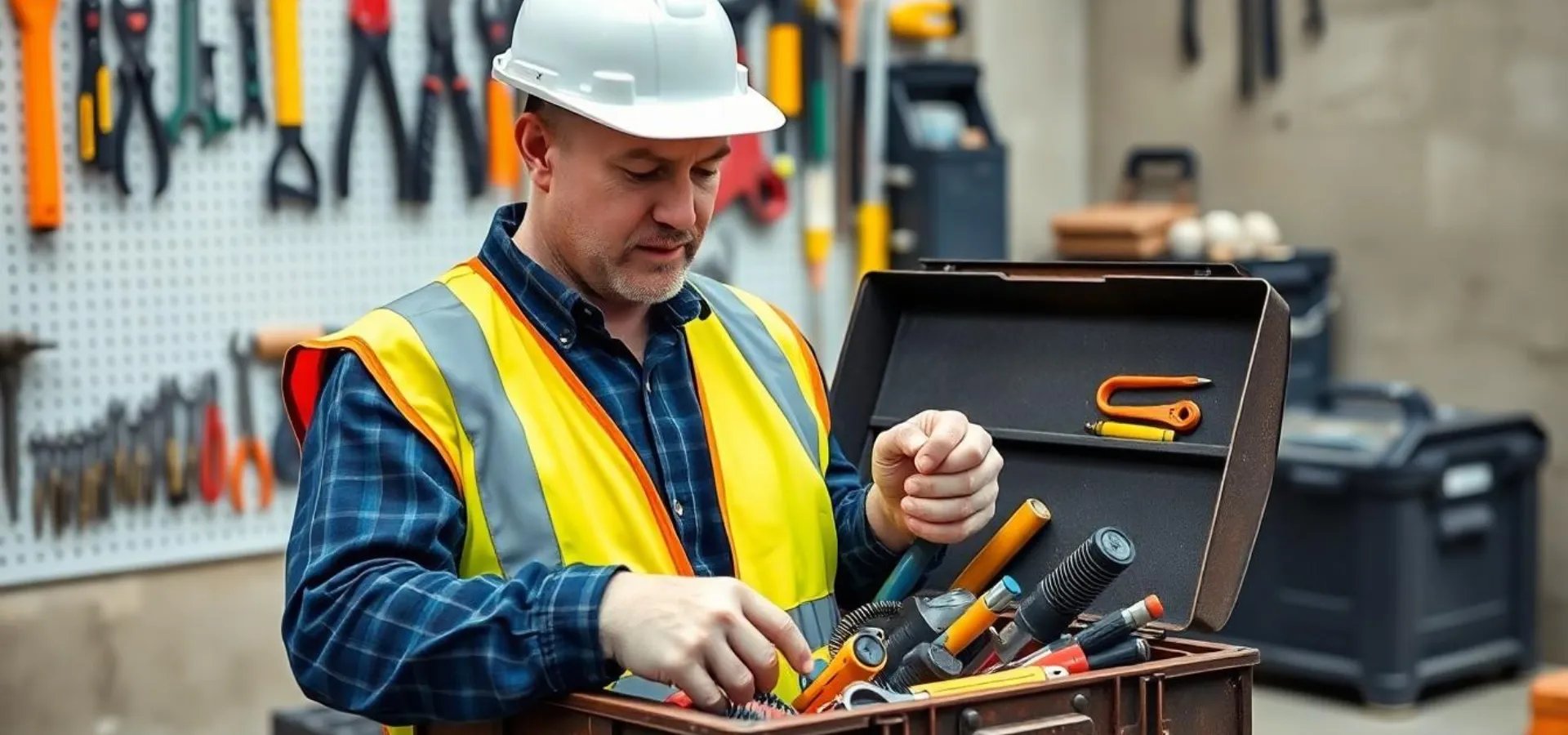
Construction work in Winchester can range from residential site preparation and utility installation to commercial development, roadwork, and large-scale earthmoving. Regardless of project size, equipment choices have a direct effect on productivity, operating costs, site safety, and scheduling. Contractors therefore need to think beyond simply finding a machine capable of performing a particular task. Working with an experienced Volvo equipment dealer in Winchester can make this process easier by giving contractors access to machinery, parts, service, and practical equipment guidance. Before committing to a purchase or rental, however, construction companies should evaluate several factors that can influence both immediate performance and long-term value. Match Equipment To The Actual Job One of the most important considerations is matching the machine to the work rather than automatically choosing the largest or most powerful option available. Excavators, wheel loaders, articulated haulers, compactors, and track loaders are designed for different applications and working conditions. For example, an excavation project involving confined areas may benefit from equipment that provides maneuverability and precise control. A larger earthmoving operation may place greater emphasis on capacity, power, and efficient material handling. Contractors should consider digging depth, lifting requirements, material type, terrain, available working space, and expected daily operating hours. Selecting equipment around these practical requirements can help prevent unnecessary fuel consumption and underused machine capacity. Consider Winchester Job Site Conditions Local working conditions should also influence equipment selection. Winchester and the surrounding Shenandoah Valley have a mixture of urban development, rural properties, commercial sites, and varying terrain. A machine that performs well on a spacious development site may not necessarily be appropriate for a smaller property with limited access. Ground conditions are equally important. Traction, stability, tire or track configuration, and ground clearance can affect machine performance. Contractors should evaluate the site before selecting equipment, particularly when projects involve slopes, soft surfaces, uneven ground, or restricted entry points. Decide Between Buying And Renting Not every construction company needs to own every machine it uses. Purchasing may make sense for equipment that is regularly required across multiple projects. Ownership gives a company greater control over availability and can provide long-term value when machinery is consistently utilized. Rental can be more practical for specialized equipment required only occasionally. It may also allow contractors to expand their capabilities for a particular project without making a substantial long-term investment. The decision should be based on expected utilization, project duration, storage availability, maintenance responsibilities, transportation expenses, and overall budget. Companies should look at the total financial impact rather than comparing only the initial purchase price with the rental rate. Look Beyond The Machine Itself Heavy equipment depends on ongoing support throughout its working life. Parts availability, maintenance resources, technical knowledge, and repair services can become particularly important when a machine experiences unexpected downtime. Construction schedules are often tightly coordinated. If one essential machine is unavailable, other workers and equipment may be left waiting. This can create delays that extend far beyond the original mechanical problem. For this reason, contractors should consider the support available from their equipment supplier. A dependable relationship with a local dealer can be valuable when replacement parts, maintenance assistance, or equipment advice is required quickly. Evaluate Used Equipment Carefully Used construction equipment can provide significant value, especially for businesses looking to expand their fleets while controlling capital expenditure. Age alone, however, does not determine whether a machine represents a good investment. Operating hours, maintenance history, previous applications, component condition, and signs of excessive wear should all be considered. Engines, hydraulic systems, undercarriages, tires, attachments, controls, and structural components deserve careful inspection. A lower purchase price may become less attractive if the equipment immediately requires substantial repairs. Evaluating overall condition and anticipated maintenance costs gives contractors a more realistic picture of long-term ownership expenses. Think About Operator Requirements Equipment performance also depends on the person operating it. Controls, visibility, cab layout, accessibility, and machine responsiveness can influence both productivity and operator comfort. Construction companies should consider whether their crews are familiar with a particular machine type and whether additional training may be necessary. Equipment that is appropriately matched to operator capabilities can support smoother workflows and more consistent performance. Comfort deserves consideration as well, particularly when operators spend many hours inside a machine. Seating, climate control, visibility, and ergonomic controls can make a noticeable difference during long shifts. Plan For Maintenance Before Problems Occur Preventive maintenance should be part of the equipment decision from the beginning. Contractors need to understand recommended service intervals, routine inspection requirements, replacement parts availability, and the likely cost of maintaining a machine. Daily checks can identify developing issues before they turn into expensive failures. Fluids, filters, tires, tracks, hydraulic components, and attachments should receive attention according to manufacturer recommendations and working conditions. Good maintenance planning can extend equipment life while reducing unexpected downtime. Building A More Productive Equipment Strategy Choosing construction equipment is ultimately a business decision as much as an operational one. The right machine should meet project requirements while supporting productivity, manageable operating costs, reliability, and efficient use of company resources. For construction companies working in Winchester, considering site conditions, utilization rates, dealer support, maintenance needs, operator requirements, and purchase versus rental options can lead to more informed decisions. Instead of treating equipment as a simple project expense, contractors can view it as an important part of their broader productivity strategy. WilliamWilliam Turner is a researcher and content writer at TheMahabhulekh.com, specializing in Maharashtra land records, Mahabhulekh 7/12, property cards, and government service guides. He creates clear, user-friendly content to help readers understand and access land-related information online. www.themahabhulekh.com