
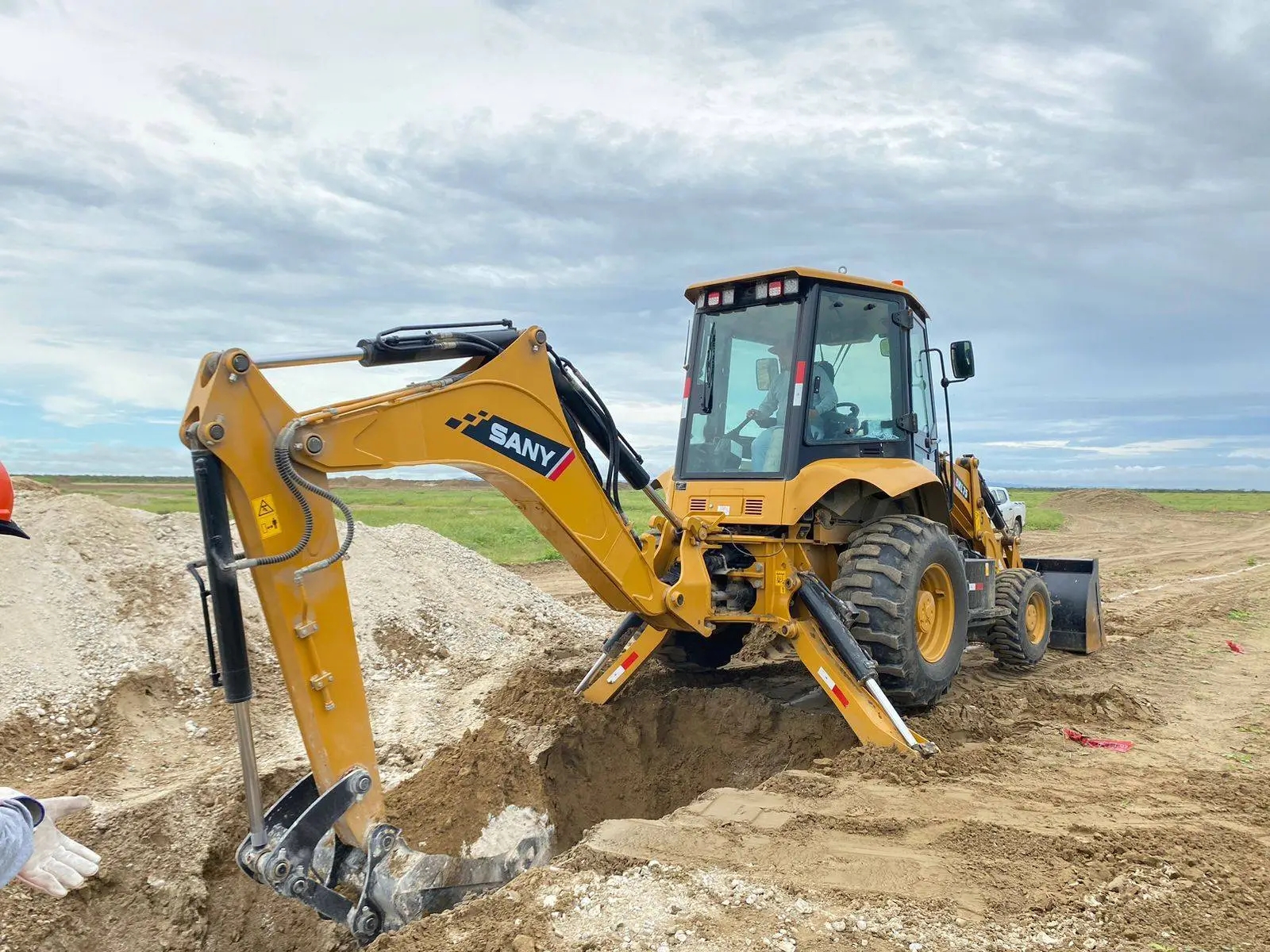
Numerous tasks involved in construction projects require specialized equipment, knowledgeable operators, and meticulous planning. Equipment is crucial to sustaining productivity and fulfilling project deadlines, from clearing land for development to moving bulky products across crowded construction sites. The selection of equipment is a crucial component of effective project management, as each stage of construction poses unique obstacles.
In order to manage high workloads while preserving operational efficiency and safety, modern construction companies rely on adaptable equipment. Contractors may find appropriate gear for various uses by working with a reputable construction equipment dealer, guaranteeing that projects have the equipment required to go forward without hiccups.
Strong Project Foundations Using Earthmoving Equipment
Because it prepares the ground for foundations, roadways, drainage systems, and other structural projects, earthmoving is one of the most crucial phases of construction. Equipment that can move dirt, clear barriers, and provide solid working surfaces is necessary for proper site preparation.
Excavators are often employed for large-scale earth handling, trench excavation, and foundation preparation. They may be used in a variety of construction tasks because of their hydraulic systems and replaceable attachments.
Another crucial kind of earthmoving machinery is the bulldozer. These strong machines are useful for clearing land and preparing surfaces because they move dirt, rocks, and debris across building sites.
By gathering loose materials and conveying them over comparatively short distances, wheel loaders can assist earthmoving activities. By using the right equipment, contractors may save needless manual effort and finish preparatory tasks more quickly.
Equipment For Material Handling For Effective Workplace Operations
Maintaining orderly workflows requires the safe and effective movement of building materials. It is sometimes necessary to move materials between storage areas and active work zones, including concrete blocks, steel components, lumber, pipes, and aggregates.
Palletized products are often lifted and transported with forklifts, especially in supply yards, warehouses, and appropriate construction settings. For outdoor spaces with uneven floors, rough terrain forklifts provide further possibilities.
By combining lifting power with a longer reach, telehandlers provide more adaptability. These devices are helpful for reaching places that are difficult for traditional forklifts to reach and for placing things at high altitudes.
Contractors may choose equipment suitable for certain material handling activities by evaluating lifting capacity, operational requirements, and available attachments with the help of a trustworthy construction equipment dealer.
Small-Sized Tools For Limited Construction Areas
Not all building projects are carried out on large, open sites. Restricted working spaces are a common feature of urban developments, residential building, landscaping projects, and rehabilitation operations.
For digging and excavation activities where bigger machines cannot function comfortably, compact excavators are very helpful. Because of their reduced size, operators have more freedom to operate around subterranean utilities and existing buildings.
Another useful choice for cramped spaces is a skid steer loader. These devices may facilitate surface preparation, debris removal, grading, and material transportation with the right attachments. Compact track loaders are useful for tasks where traditional wheeled gear could have trouble because they provide more grip on soft or uneven terrain.
Contractors may maintain output without needlessly disturbing the neighboring regions by using small equipment.
Adaptability Of Equipment With Specialized Attachments
Because of its replaceable attachments, modern construction equipment provides a great deal of adaptability. Contractors may increase the usefulness of current equipment instead of buying different devices for each task.
Grapples for material handling, hydraulic breakers for demolition, and specific buckets for various excavation needs may all be installed in excavators. Pallet forks, augers, trenchers, and grading attachments may also be used with skid steer loaders.
Compatible attachments may lower equipment needs, provide operational flexibility, and assist companies in better managing their machinery investments. Before using an attachment, contractors should always check its compatibility, operating restrictions, and manufacturer guidelines.
Upkeep And Equipment Assistance For Reliable Productivity
For even the most sophisticated construction equipment to function dependably, regular maintenance is necessary. Equipment components are progressively impacted by abrasive materials, dust, heavy workloads, and changing weather.
Hydraulic systems, motors, tires, tracks, and lubrication points are all routinely inspected to help spot any issues before they disrupt operations.
Conclusion
Having the right equipment for each stage of growth is essential for construction projects to be successful. Compact machinery offers flexibility in confined locations, earthmoving machines provide solid foundations, and material handling equipment facilitates effective transportation.
Contractors may increase production while lowering operating costs by choosing dependable equipment, using appropriate attachments, and giving preventative maintenance first priority. In the end, careful equipment purchases enable construction companies to manage a variety of worksite difficulties and complete projects with increased productivity, safety, and assurance.

William Turner is a researcher and content writer at TheMahabhulekh.com, specializing in Maharashtra land records, Mahabhulekh 7/12, property cards, and government service guides. He creates clear, user-friendly content to help readers understand and access land-related information online.