Mold Remediation After Water Damage: Essential Steps for Property Recovery
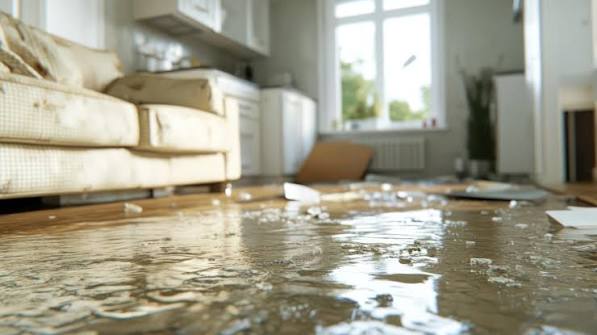
Water damage can create serious problems for residential and commercial properties, especially when moisture remains trapped inside walls, flooring, and other building materials. While visible water may disappear after initial cleanup, hidden moisture can encourage mold growth and gradually affect indoor air quality and structural materials. Proper mold remediation is an important part of restoring a property and preventing recurring moisture problems. Understanding the essential steps involved in mold remediation helps property owners make informed decisions about cleanup, repairs, and long term property protection. The Connection Between Water Damage and Mold Growth Mold thrives in environments where moisture and organic materials are present. Flooding, plumbing leaks, roof damage, and appliance malfunctions can introduce water into areas that are difficult to access or inspect. When these areas remain damp, mold may begin developing within 24 to 48 hours under favorable conditions. Materials such as drywall, carpeting, insulation, and wooden structures can absorb moisture quickly. Even after visible water has been removed, these materials may retain enough moisture to support microbial growth. Property owners dealing with recurring moisture problems often seek professional mold removal Lakewood services to identify contamination, address underlying water damage, and restore affected indoor spaces. Mold can spread quickly, so if you act quickly, you may not have to do as much rebuilding. Identifying Hidden Moisture and Mold Contamination The first step in getting rid of mold effectively is to find places where water has gathered and check to see if mold growth is present. Discoloration that you can see, musty smells, peeling paint, and flooring that isn’t level may all be signs of bigger problems. However, mold does not always develop in easily accessible locations. It can grow behind drywall, beneath carpeting, inside wall cavities, and around plumbing connections. Professional restoration specialists may use moisture meters, thermal imaging equipment, and visual inspections to locate damp areas. These assessments help determine the extent of water damage and identify materials requiring cleaning, drying, or replacement. Finding the original moisture source is equally important because mold can return if the underlying problem remains unresolved. Controlling Moisture Before Beginning Remediation Removing mold without addressing excess moisture provides only a temporary solution. Before remediation begins, property owners must ensure that leaks, drainage problems, or other sources of water intrusion have been corrected. Depending on the situation, this may involve repairing damaged pipes, improving exterior drainage, sealing roof leaks, or correcting ventilation problems. Professional water extraction equipment can remove standing water, while commercial dehumidifiers and air movers help dry affected areas. Moisture measurements are used to monitor drying progress and determine whether building materials have reached acceptable moisture levels. Maintaining appropriate indoor humidity also reduces the likelihood of future mold development. Generally, keeping indoor relative humidity below 60 percent, ideally between 30 and 50 percent, helps discourage mold growth. Containing Affected Areas to Prevent Mold Spread Once the extent of contamination has been assessed, containment measures may be necessary to prevent mold particles from spreading into unaffected spaces. Restoration professionals often use plastic barriers and negative air pressure systems to isolate contaminated areas during larger remediation projects. Air filtration equipment fitted with high efficiency particulate air filters can capture airborne particles generated during cleanup. Workers may also use appropriate protective equipment, including respirators, gloves, and protective clothing, depending on the contamination level. Containment is particularly important when removing damaged drywall, insulation, or carpeting because disturbing mold contaminated materials can release particles into the surrounding environment. Removing Contaminated Materials and Cleaning Surfaces The remediation process varies depending on the type of material affected and the extent of contamination. Nonporous surfaces can often be cleaned using suitable methods, while heavily contaminated porous materials may require removal. Drywall, ceiling tiles, insulation, and carpeting that have sustained significant mold damage are sometimes difficult to restore completely. Professionals carefully remove materials that cannot be adequately cleaned and dispose of them according to applicable requirements. Remaining surfaces may be cleaned using appropriate detergents, HEPA vacuuming, and other remediation techniques. Simply painting over mold or applying chemical treatments without removing contamination and correcting moisture problems is not an effective long term solution. Drying, Repairs, and Property Reconstruction After contaminated materials have been removed and affected surfaces cleaned, the property must be thoroughly dried before reconstruction begins. Moisture testing helps confirm that hidden dampness has been addressed. Installing new drywall, flooring, or insulation before completing the drying process can trap moisture and create conditions for renewed mold growth. Once the area is ready, restoration work may include replacing damaged building materials, repairing flooring, repainting walls, and restoring affected rooms. For extensive water damage, coordinating remediation and reconstruction helps ensure that repairs address both visible damage and underlying moisture conditions. Preventing Future Mold Problems Long term prevention requires consistent moisture management and routine property maintenance. Inspecting plumbing connections, maintaining gutters, repairing roof damage, and improving ventilation can significantly reduce water intrusion risks. Bathrooms, kitchens, basements, and laundry areas deserve particular attention because these spaces frequently experience elevated humidity. Property owners should also investigate unusual odors, condensation, or recurring damp spots rather than waiting for visible mold to appear. Regular inspections and timely repairs can help preserve building materials, support healthier indoor conditions, and reduce future restoration expenses. Conclusion Mold remediation after water damage involves more than cleaning visible contamination. Effective property recovery requires identifying moisture sources, assessing hidden damage, containing affected areas, removing contaminated materials, and completing necessary repairs. Addressing these steps systematically helps prevent recurring mold problems and protects the property’s long term condition. With timely action, appropriate remediation techniques, and ongoing moisture control, property owners can restore damaged spaces and maintain safer, more comfortable indoor environments. WilliamWilliam Turner is a researcher and content writer at TheMahabhulekh.com, specializing in Maharashtra land records, Mahabhulekh 7/12, property cards, and government service guides. He creates clear, user-friendly content to help readers understand and access land-related information online. www.themahabhulekh.com