
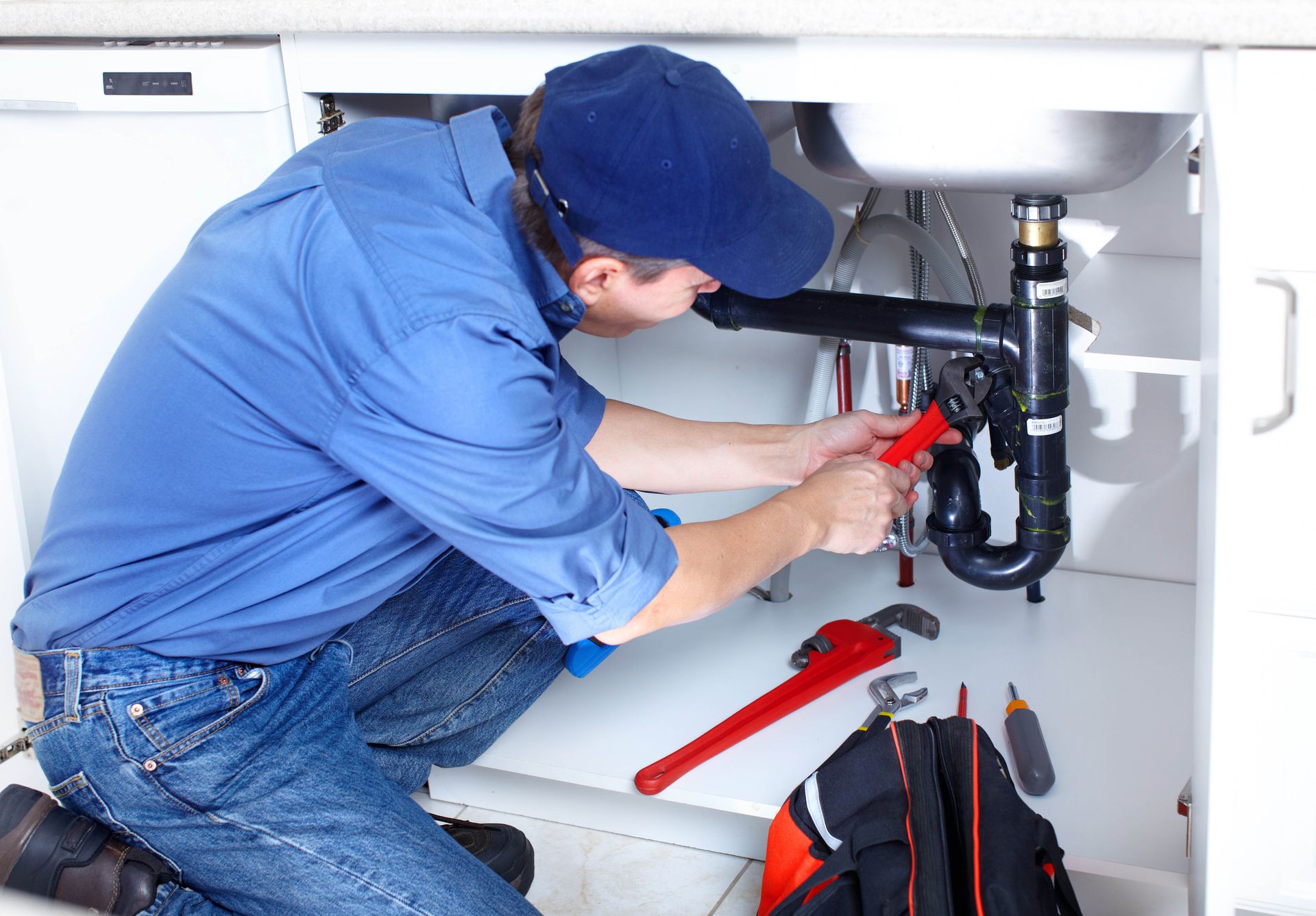
Property owners seldom take into account how plumbing systems react to seasonal variations. Pipes, fixtures, and drainage systems may experience unanticipated stress due to temperature variations, changing soil conditions, increasing water use, and altered weather patterns. During one season, a plumbing system that functions flawlessly can have leaks, pressure issues, or drainage issues. Property owners may address any problems before they disrupt daily operations or result in costly property damage by being aware of these seasonal vulnerabilities.
Temperature Variations May Make Plumbing Connections Weaker
The materials used in household plumbing systems may be impacted by abrupt temperature fluctuations. As temperatures increase or decrease, pipes naturally expand and compress. Repeated movement may damage joints, loosen fittings, or reveal fractures in old plumbing parts over time.
Temperature-related stress may be higher in properties with pipes put in uninsulated walls, garages, or outdoor spaces. Standing water in exposed pipes may freeze and expand during very cold weather, perhaps resulting in fractures or total pipe collapse.
Before severe weather strikes, susceptible areas might be identified with the use of routine inspections. In order to lessen the likelihood of seasonal plumbing damage, professional Residential Plumbing Repair Houston services may assess exposed pipes, failing connections, and insulation needs.
Heavy Rainfall May Make Hidden Drainage Issues Visible
Drainage flaws that go undetected during dry weather are often revealed during rainy seasons. Standing water around foundations and sluggish wastewater flow may be caused by soil saturation, debris buildup, and overburdened drainage systems.
When tree roots get into already-existing pipe joints or fissures, underground sewage lines may also become problematic. The likelihood of recurrent blockages increases as roots develop because they accumulate debris and hinder wastewater flow.
Unusual gurgling noises, disagreeable drain scents, and wastewater emerging in unexpected places are all things that property owners should be aware of. Rather than being a transient annoyance, these symptoms can point to an underlying drainage issue.
Expert sewer inspections may find broken portions and assist in deciding if replacement, cleaning, or repair is required.
Summertime Water Use May Lead To Pressure Issues
Household water use tends to rise during the warmer months. Increased strain on household plumbing infrastructure might result from gardening, frequent showers, extra laundry, and outside cleaning.
When many fixtures run concurrently, pressure issues may become more apparent. Restrictions, malfunctioning pressure regulators, or other plumbing issues may be indicated by weak shower flow, irregular faucet pressure, or strange pipe sounds.
Equally hazardous might be high water pressure. Appliance connections, supply lines, and valves are constantly strained by excessive pressure, which may reduce their lifespan.
Property owners should think about having their plumbing system assessed rather than believing that erratic pressure is typical during times of high demand.
Underground Pipes May Be Affected By Seasonal Soil Movement
Subterranean plumbing systems may be impacted by variations in soil moisture. While excessive rainfall might result in expansion or movement, prolonged dry spells may lead certain soils to shrink.
Buried water supply lines and sewage connections may be stressed by these modifications, especially in areas with weaker joints or older materials.
Unusual variations in water bills, recurrent sewage clogs, and unexplained damp areas in the yard are warning indicators. However, a professional evaluation is crucial since these symptoms do not necessarily indicate damage to subterranean pipes.
An expert in Residential Plumbing Repair Houston can look into any subterranean leaks using the right diagnostic tools and suggest fixes depending on the state of the piping that is damaged.
Seasonal Variations May Impact Water Heater Efficiency
Although water heaters run all year round, their workload may vary depending on the season. Increased household demand may reveal weaknesses in an aged system, while colder incoming water needs more heating energy.
In addition to decreasing heating effectiveness, sediment buildup within storage tanks may cause odd working sounds. Neglected maintenance might eventually speed up component wear and raise the risk of unplanned malfunctions.
Owners of properties should keep an eye out for moisture around water heater connections, apparent corrosion, and erratic hot water temperatures. Manufacturer advice should direct inspections and service since different types of equipment have different maintenance needs.
Conclusion
Dramatic weather events are not necessarily the source of seasonal plumbing issues. Unexpected repairs may result from gradual temperature changes, varying water demands, soil movement, and neglected exterior fixtures. Owners of properties may make better maintenance choices all year long if they are aware of these trends. Maintaining reliable plumbing performance while lowering the possibility of expensive interruptions is made possible by routine inspections, prompt repairs, and attention to early warning indicators.

William Turner is a researcher and content writer at TheMahabhulekh.com, specializing in Maharashtra land records, Mahabhulekh 7/12, property cards, and government service guides. He creates clear, user-friendly content to help readers understand and access land-related information online.