
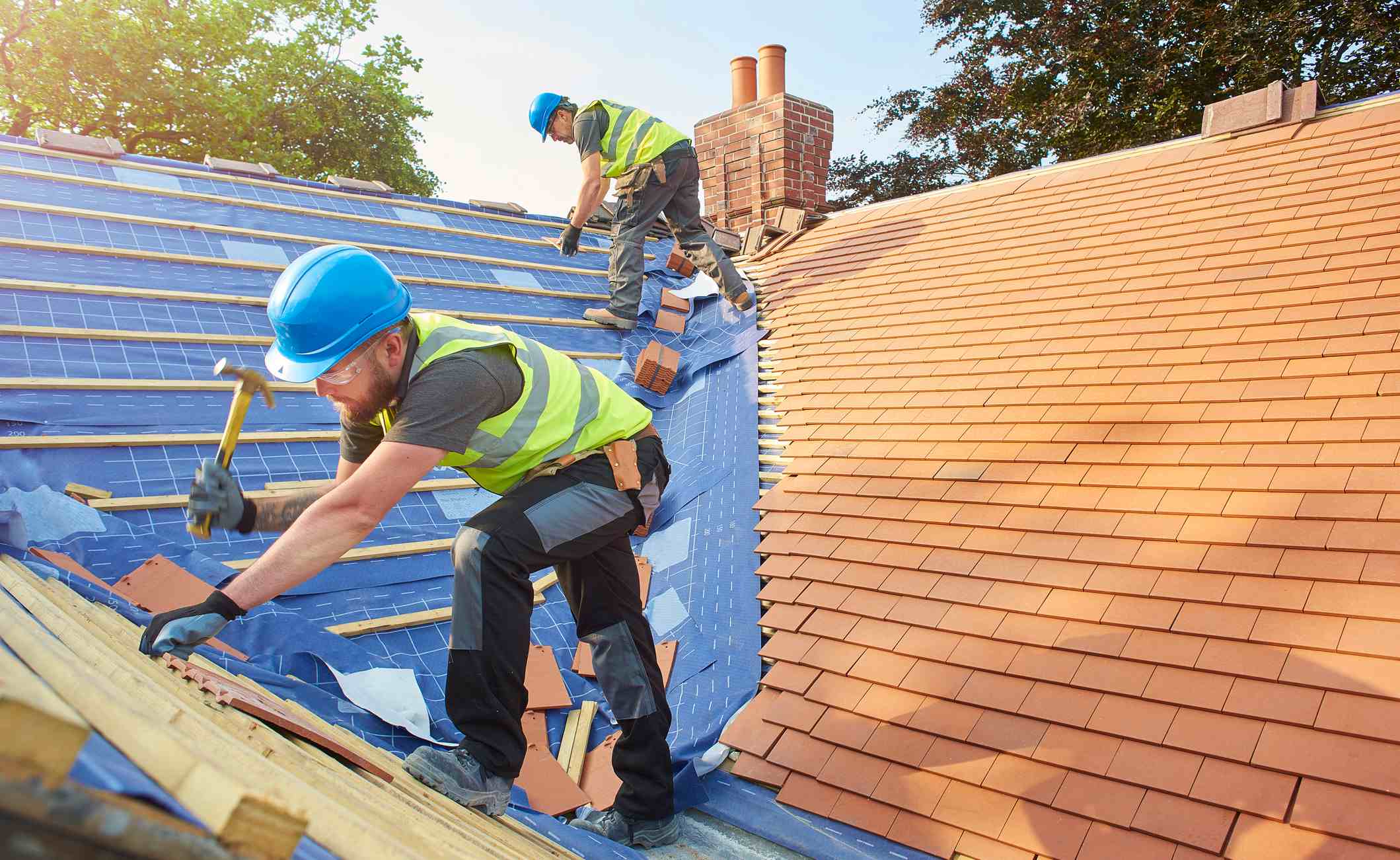
A commercial roof is expected to protect a building through changing weather, daily temperature fluctuations, and years of exposure to the elements. Yet major roofing problems rarely appear without warning. In many cases, the first signs are small enough to overlook, such as a minor leak, a loose flashing section, or a damaged seal around rooftop equipment.
For Denver businesses, ignoring these seemingly minor concerns can be particularly costly. Snow, hail, strong sunlight, wind, and changing temperatures can place additional stress on commercial roofing systems. Addressing small defects early can help businesses protect their buildings while avoiding More extensive repairs later.
Minor Leaks Can Spread Beyond The Roof
A small roof leak may appear manageable, especially if only a few drops of water enter during heavy rain or melting snow. However, water does not necessarily remain near the point where it entered the roofing system. It can travel along insulation, structural components, and other materials before becoming visible inside the building.
Over time, persistent moisture may Damage ceiling materials, insulation, walls, inventory, and electrical components. It can also interrupt normal business activities if affected areas need to be closed for repairs.
Arranging Denver roofing repair when the first signs of leakage appear can help identify the actual source before moisture affects a larger portion of the property. Early attention is generally much simpler than dealing with roof damage alongside extensive interior restoration.
Damaged Flashing Can Create Vulnerable Areas
Flashing protects some of the most sensitive areas of a commercial roof. It is commonly installed around vents, edges, penetrations, and places where different roofing surfaces meet.
When flashing becomes loose, cracked, bent, or separated, water can find its way underneath the roofing system. A small opening may not initially cause obvious interior damage, but repeated exposure to rain and snow can gradually make the problem worse. Regular inspections can help identify flashing issues while they are still relatively contained.
Loose Fasteners Can Affect Metal Roof Performance
Commercial metal roofs are valued for their durability, but they still require periodic attention. Fasteners can loosen over time as metal roofing materials expand and contract with temperature changes.
A single loose fastener may not seem significant. However, multiple compromised fasteners can create opportunities for water penetration and may affect the stability of panels in exposed areas.
Denver’s seasonal temperature variations make it important to monitor these components. Correcting loose or deteriorated fasteners early can support the long-term performance of a metal roofing system.
Small Drainage Problems Can Lead To Standing Water
Commercial roofs depend on gutters, drains, and other drainage components to move water away efficiently. Leaves, dirt, debris, ice, and other materials can interfere with this process.
When drainage becomes restricted, water may collect on sections of the roof. Standing water adds unnecessary weight and can accelerate deterioration of roofing materials. If water repeatedly settles in the same area, existing cracks or weak seams may become more vulnerable.
Routine cleaning and inspection of drainage components can prevent a simple maintenance issue from becoming a larger roofing concern.
Cracked Seams And Sealants Should Not Be Overlooked
Sealants are often used around penetrations, joints, flashing, and rooftop equipment. Over time, these materials may shrink, break, or lose adhesion due to exposure to sunlight and temperature changes.
The resulting gaps may initially be extremely small. Unfortunately, even a narrow opening can allow moisture to enter during storms or snowmelt.
Replacing deteriorated sealant is generally a relatively straightforward maintenance task when caught early. Waiting until water has penetrated deeper into the roofing assembly can make repairs considerably more complicated.
Hail Damage Is Not Always Immediately Visible
Denver businesses can experience severe weather that includes hail. While large damage may be obvious, smaller impacts can create dents, punctures, damaged coatings, or weakened roofing materials that are difficult to notice from ground level.
The roof may continue functioning normally immediately after a storm, giving property owners the impression that no damage occurred. Problems can then emerge months later as damaged areas face additional weather exposure.
A professional inspection after significant hail or wind events can reveal concerns that might otherwise remain unnoticed.
Neglected Roof Problems Can Affect More Than Repair Costs
Roof damage can have consequences beyond the roofing system itself. Water intrusion may affect equipment, stored products, flooring, interior finishes, and working areas. Businesses may also face operational disruptions while larger repairs are completed.
Preventive maintenance provides an opportunity to identify problems before they reach that stage. Keeping records of inspections, repairs, and recurring trouble spots can also help facility managers understand the condition of the roof and plan future maintenance more effectively.
Early Attention Can Protect A Commercial Property
Small roofing defects are easy to postpone when a building remains operational, and there is no obvious interior damage. However, commercial roofing problems rarely improve on their own. Weather exposure can gradually turn loose flashing, blocked drainage, deteriorated sealant, or minor leaks into more serious concerns.
For Denver businesses, regular inspections and timely repairs can help preserve roof performance, protect interior spaces, and reduce the likelihood of unexpected expenses. Treating small roofing issues as maintenance priorities rather than waiting for an emergency can ultimately make commercial property management more predictable and cost-effective.

William Turner is a researcher and content writer at TheMahabhulekh.com, specializing in Maharashtra land records, Mahabhulekh 7/12, property cards, and government service guides. He creates clear, user-friendly content to help readers understand and access land-related information online.