
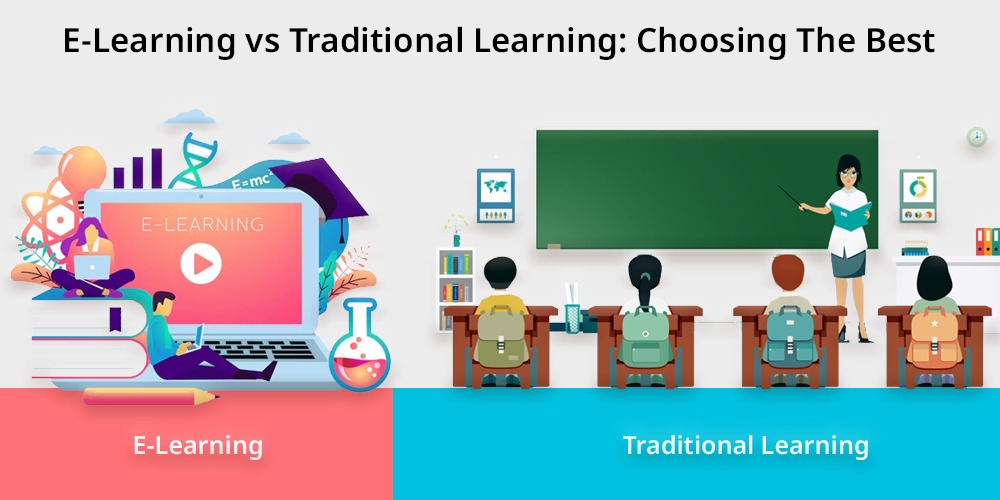
Real estate education has changed significantly as technology continues to reshape professional training. Students preparing for a real estate career now have more choices than attending scheduled lectures at a physical school. Online learning platforms provide access to educational resources from almost anywhere, while traditional classrooms continue to offer valuable opportunities for guided instruction. Choosing between these approaches involves understanding how Each format prepares students for professional responsibilities, licensing examinations, and practical challenges.
Real estate courses cover subjects that require careful attention, including property valuation, legal documentation, financing arrangements, and transaction procedures. The learning environment can influence how effectively students understand these concepts and apply them in professional situations. Evaluating both formats from a practical perspective helps prospective students choose an educational experience that supports their career ambitions.
Developing Practical Decision-Making Skills
Real estate professionals regularly encounter situations requiring sound judgment and accurate interpretation of information. Educational programs should help students develop these abilities rather than simply memorize terminology.
Traditional classroom instruction often incorporates group exercises involving property negotiations, contract interpretation, and hypothetical client situations. These activities encourage students to explain their reasoning and consider alternative solutions.
Online courses may provide scenario-based assessments, recorded demonstrations, and interactive case studies. Students can examine different situations independently and evaluate their responses through digital feedback.
Both approaches can strengthen decision-making abilities when the curriculum includes realistic industry examples and opportunities to apply theoretical knowledge.
Access to Specialized Learning Resources
The availability of educational materials can significantly influence the overall learning experience. Real estate students often need access to updated legal information, sample contracts, property transaction examples, and examination preparation resources.
Classroom programs may provide printed manuals, instructor presentations, and supplementary reading materials. Students can also request additional explanations when particular subjects require greater attention.
Online courses frequently organize educational content into digital libraries containing recorded lessons, downloadable documents, practice questions, and progress assessments. This arrangement allows students to locate specific information without reviewing an entire course.
Before enrolling, students should investigate whether learning resources remain accessible after completing the program. Continued access can be useful when reviewing unfamiliar concepts during early professional experiences.
Preparing for Technology-Driven Real Estate Transactions
Modern real estate transactions increasingly involve digital tools for communication, documentation, marketing, and transaction management. Understanding technology has therefore become an important professional competency.
Online education naturally introduces students to digital learning environments. Navigating course dashboards, submitting electronic assignments, and communicating through virtual platforms can strengthen familiarity with technology.
Traditional classroom programs can provide similar benefits when instructors incorporate digital transaction demonstrations, property research tools, and electronic documentation exercises.
However, technology exposure should not replace essential industry knowledge. Students should prioritize programs that explain how digital systems support accurate transactions, regulatory compliance, and professional communication.
Understanding the Importance of Continuing Professional Development
Real estate professionals must remain informed about changing regulations, ethical standards, and industry practices throughout their careers. Continuing education helps licensed individuals maintain relevant knowledge and meet applicable licensing requirements.
For professionals exploring Colorado real estate continuing education, selecting an approved educational provider is particularly important. Colorado brokers generally must complete 24 hours of continuing education during each three-year licensing cycle, subject to applicable rules and exemptions.
Online continuing education can be convenient for professionals managing property showings, client meetings, and transaction deadlines. Classroom sessions may appeal to agents interested in discussing regulatory developments directly with instructors and other professionals.
Regardless of the delivery format, students should verify that courses satisfy current requirements established by the appropriate licensing authority.
Evaluating Assessment Methods and Learning Progress
Assessment methods deserve attention when comparing real estate education programs. Completing lessons does not necessarily demonstrate that students understand the material well enough to apply it correctly.
Traditional classroom courses may use written examinations, instructor evaluations, group assignments, and scheduled review sessions. These assessments allow instructors to identify common misunderstandings and adjust their explanations.
Online programs often provide automated quizzes, knowledge checks, and simulated licensing examinations. Immediate results can help students identify weak areas and revisit relevant lessons.
Students should look for programs that provide meaningful explanations for incorrect answers rather than simply displaying scores. Detailed feedback supports stronger comprehension and more effective examination preparation.
Considering Professional Networking Opportunities
Professional relationships can influence career development, especially for individuals entering real estate without previous industry connections.
Classroom education creates opportunities to interact with fellow students, experienced instructors, and occasionally local industry professionals. These connections may introduce students to mentorship opportunities, brokerage environments, and professional events.
Online learning offers different networking possibilities through virtual discussion groups, live sessions, professional communities, and instructor communication channels.
Students interested in building industry relationships should investigate whether their chosen program includes networking activities or access to professional communities beyond the required coursework.
Matching Education With Long-Term Career Goals
Educational decisions should reflect more than immediate licensing requirements. Students planning to specialize in residential sales, commercial property, leasing, or property management may benefit from programs offering relevant examples and additional educational opportunities.
Traditional classrooms may be attractive to individuals seeking regular mentorship and collaborative learning experiences. Online programs can support professionals who expect to pursue additional certifications or specialized training while maintaining active work schedules.
Some learners may also benefit from combining both approaches by completing foundational coursework online and participating in classroom workshops for practical skill development.
Conclusion
Choosing between traditional classroom and online real estate courses involves evaluating educational quality, practical skill development, assessment methods, networking opportunities, and future professional goals. Each format provides distinct advantages that can support different learning needs.
Rather than selecting a program based solely on convenience or familiarity, students should examine its curriculum, approval status, instructional support, and practical relevance. A carefully chosen educational program can provide the knowledge and confidence needed to navigate real estate responsibilities and pursue sustainable professional growth.

William Turner is a researcher and content writer at TheMahabhulekh.com, specializing in Maharashtra land records, Mahabhulekh 7/12, property cards, and government service guides. He creates clear, user-friendly content to help readers understand and access land-related information online.