
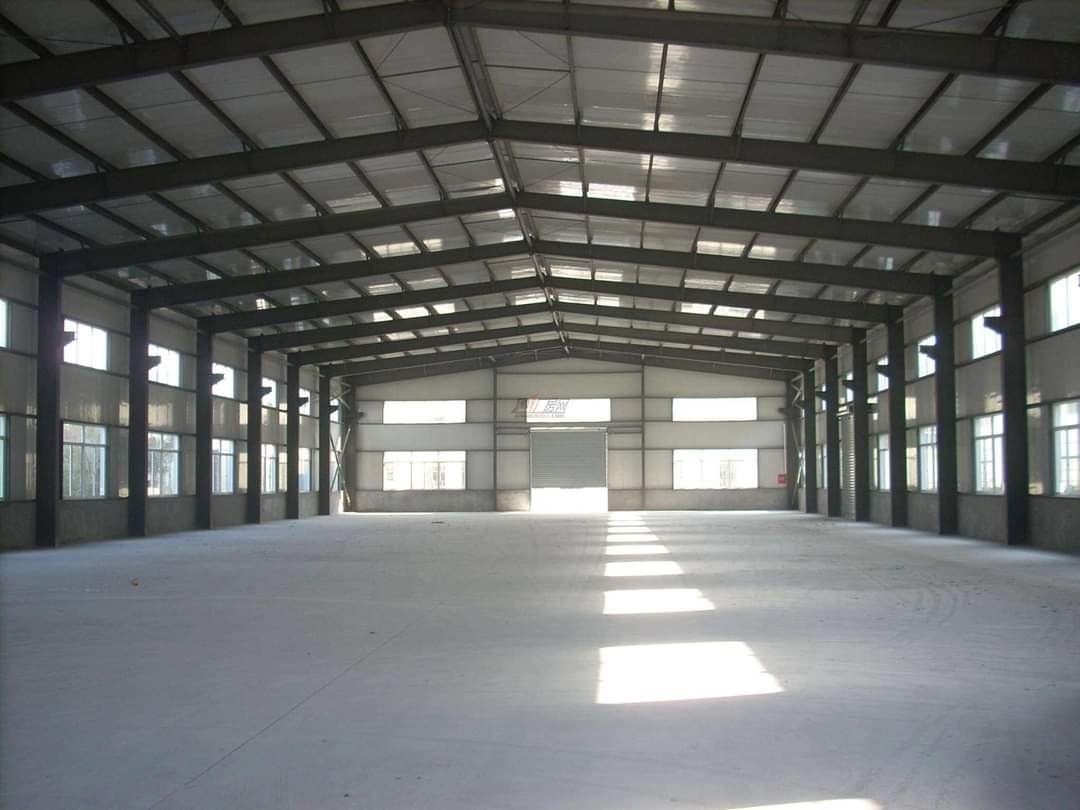
Managing factories, warehouses, and workshops requires maintaining efficient airflow. Heat accumulation and stagnant air may result from the presence of machinery, equipment, stored products, and active work areas in these settings. Indoor conditions may rapidly become unpleasant and difficult to control without adequate ventilation.
Enhancing airflow without taking up precious floor space is possible with wall-mounted ventilation. An industrial wall fan may fit neatly into a facility’s general architecture and provide constant ventilation in demanding work settings.
Handling Heat In Industrial Workplaces
During regular operations, factories and workshops may produce a significant amount of heat. Rising interior temperatures may be caused by machinery, manufacturing equipment, lights, and continuous activity. This heat may stay trapped for a long time in structures with little natural ventilation.
Warm air may be moved, and circulation improved throughout the room with the aid of wall fans. They may also be used to facilitate the removal of hot interior air and promote the flow of cooler air throughout the structure, depending on the ventilation system.
This may be especially helpful in regions where heat tends to build up, such as loading areas, equipment zones, and industrial areas.
Utilising Warehouse Space More Effectively
Because of their size and design, warehouses present a unique ventilation challenge. Consistent air circulation may be challenging in spaces with high ceilings, plenty of storage, stored merchandise, and open spaces.
Because they don’t need permanent floor space, wall-mounted fans are helpful. This enables warehouse managers to keep spaces free for pallet transportation, forklifts, storage, and other routine tasks.
Strategic fan placement may provide more even circulation and lessen areas of stagnant air. The ventilation system may be designed around the geometry of the building and its operating needs rather than focusing airflow in a narrow area.
Facilitating Busy Workshop Settings
People, equipment, tools, and supplies are often gathered in very small spaces in workshops. Depending on the job being done, tasks including fabrication, repair, assembly, and equipment maintenance may produce heat, fumes, odours, or airborne particles.
To move air through these dynamic areas, a well-chosen industrial wall fan may be a component of a larger ventilation plan. However, broad air circulation shouldn’t be used in place of proper local exhaust ventilation or other necessary safety measures for industries that produce pollutants.
In workshops, positioning is particularly crucial. Fans should provide beneficial airflow without interfering with procedures that need regulated conditions or causing needless disturbance near workstations.
Selecting An Environmentally Friendly Fan
Instead of just picking the biggest fan available, ventilation equipment should be chosen based on actual operating circumstances since industrial buildings vary greatly.
The size of the area, the amount of airflow needed, the mounting location, the openings that are accessible, the hours of operation, and the kinds of activities that are happening close by should all be taken into account by facility management. The kind of equipment needed may also be impacted by the presence of dust, moisture, caustic materials, or high temperatures.
Another crucial factor is the quality of the construction. Industrial equipment may be subjected to harsher circumstances and operate for longer periods of time than equipment found in typical commercial facilities. Selecting equipment made for the specified use may facilitate reliable operation and make long-term ventilation planning easier.
Including Fans In A More Comprehensive Ventilation Plan
When a wall fan is integrated into the building’s overall airflow system, it works well. Balanced ventilation is not always achieved by just mounting a fan in a wall-mounted location.
The way air moves through a facility may be affected by doors, windows, internal walls, shelves, equipment, fresh air entrance points, exhaust sites, and building orientation. Short cycling, in which incoming air is withdrawn before flowing through the regions that need ventilation, may be prevented with careful planning.
Relying on a single source of airflow may not be as beneficial for bigger buildings as using several ventilation sources.
Useful Ventilation For Tough Environments
Workshops, factories, and warehouses need ventilation systems that complement their daily activities and physical layouts. In locations where heat and stagnant air may become recurring issues, wall-mounted systems have the benefit of maintaining usable floor space while promoting circulation.
A more efficiently ventilated industrial workplace may be achieved by selecting the appropriate industrial wall fan, properly placing it, and including it in a larger ventilation strategy. Businesses may maintain useful airflow without unduly complicating precious working space by matching the system to the building and its operations.

William Turner is a researcher and content writer at TheMahabhulekh.com, specializing in Maharashtra land records, Mahabhulekh 7/12, property cards, and government service guides. He creates clear, user-friendly content to help readers understand and access land-related information online.