
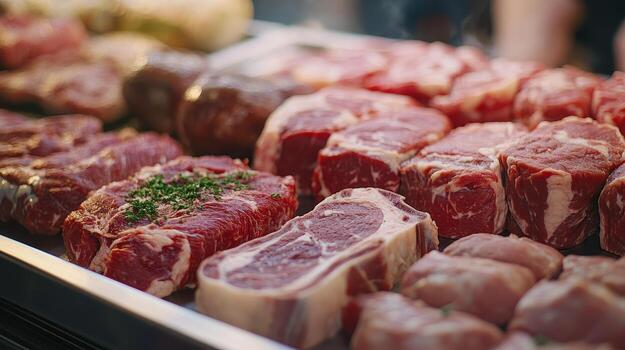
Purchasing meat may seem simple until you are in front of a counter with a variety of cuts, sizes, textures, and ways to prepare it. Making the correct decision involves much more than just picking your favorite beef, pig, or poultry. Meal planning, freshness, fat content, portion sizes, and cooking techniques may all affect what goes in your shopping cart.
Gaining knowledge of these specifics may facilitate meat buying and assist home chefs in selecting items that complement both regular meals and special events.
Start With The Meal You Plan To Prepare
Choosing the method of cooking the meat before selecting a piece is one of the easiest ways to purchase with confidence. Heat, moisture, and cooking time all affect various cuts in different ways.
In general, rapid cooking techniques like grilling, pan searing, or broiling work well with tender portions. Slower preparation techniques may help cuts with more connective tissue by allowing them to soften. For bigger portions meant to feed more people, roasting is an additional option.
Customers are prevented from selecting meat only on the basis of looks by considering preparation beforehand. A cut that is visually appealing at the counter may not be the ideal choice for the recipe.
Learn What Quality Looks Like
Rather than focusing on a single universal indication, quality evaluation encompasses several qualities. Information on appearance, texture, packaging, and storage conditions may all be helpful.
Because the little fat streaks scattered throughout the muscle may enhance flavor and softness while cooking, visible marbling may be preferred for certain beef cuts. Customers may place a higher value on leanness or a certain ratio of meat to fat in other items.
The packaging should also be undamaged and, if necessary, appropriately sealed. Another benefit for customers at a service counter is that they may speak with knowledgeable employees directly about possible cuts.
When you are attempting a new culinary method or are unfamiliar with a cut, visiting a butcher in Littleon may be quite helpful. Asking whether an alternative is suitable for grilling, roasting, braising, or another cooking technique is a better option than speculating.
Go Beyond Well-Known Cuts
Because they know how to prepare them, many customers buy the same cuts again and again. Even while well-known alternatives are practical, experimenting with other possibilities may make eating at home more interesting.
Different cuts may provide unique flavors and sensations. While some are best roasted or cooked slowly, others are particularly good when sliced thinly. Additionally, ground beef may be used in a variety of recipes, such as burgers, sauces, and hearty family meals.
When their initial option is unavailable or does not fit the intended cooking technique, consumers might find alternatives by speaking with butcher counter workers. Additionally, this may promote experimentation without making supper a guessing game.
Think About Portioning Before Purchasing
Another aspect of shopping with confidence is making the right purchases. Think about the number of diners, whether the meat is bone-free, and what else will be offered.
Different quantities may be needed for a supper with a number of substantial side dishes than for a meal where meat is the main course. It’s simpler to stick to a food budget and cut down on needless leftovers when quantities are planned before shopping.
Meat may be made easier to prepare later if it is divided into meal-sized quantities before being frozen or refrigerated for bigger purchases. You may eliminate just what is required for a certain meal when portions are clearly arranged.
Enquire About Your options For Preparation
A quality meat counter may provide more than just goods. Customers may be able to request certain thicknesses, trimming, grinding, or other preparation, depending on the services offered.
These little changes may result in significant job savings at home. Properly portioned pieces may improve meal preparation efficiency, and a steak cut to the correct thickness is simpler to cook according to liking.
Asking questions is particularly helpful when buying a new cut. Before you leave the shop, you may get useful guidance by asking about suggested cooking methods, estimated preparation needs, and appropriate applications.
Increase The Purpose Of Every Visit
Making selections based on the meal rather than just habit makes meat shopping considerably simpler. The experience at the meat counter may be improved by understanding cuts, taking cooking techniques into account, assessing quality, organizing quantities, and asking insightful questions.
Over time, mastering various cuts also leads to more culinary freedom. Customers may choose meat based on preparation, occasion, and personal desire rather than depending on the same options every week. It is easier to purchase with confidence and transform a perfectly chosen cut into a great dinner when you have both knowledge and preparation.

William Turner is a researcher and content writer at TheMahabhulekh.com, specializing in Maharashtra land records, Mahabhulekh 7/12, property cards, and government service guides. He creates clear, user-friendly content to help readers understand and access land-related information online.